
Last updated September 10, 2026
Full 25-point door and opener safety check with every visit - springs, cables, rollers, tracks, and your LiftMaster or Chamberlain opener included
You get a price before we start. It does not change when the truck arrives.
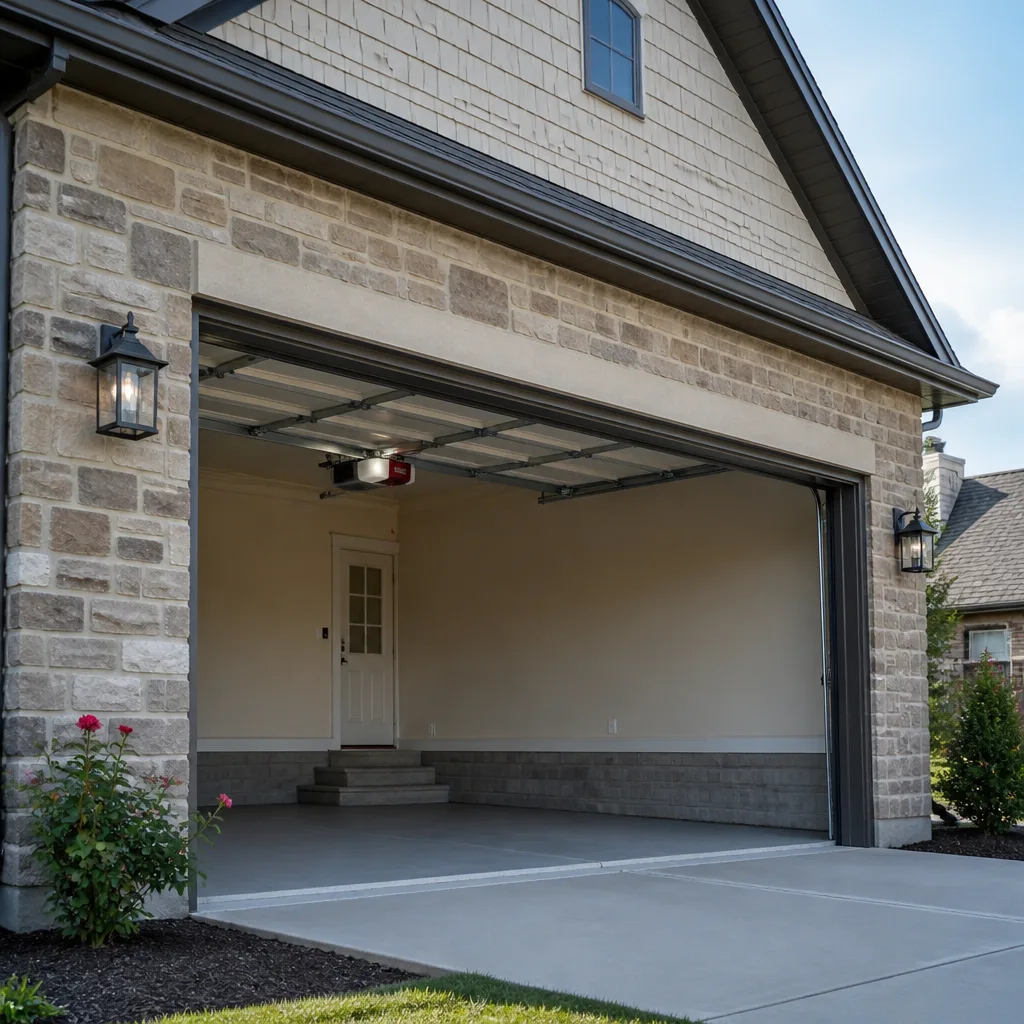
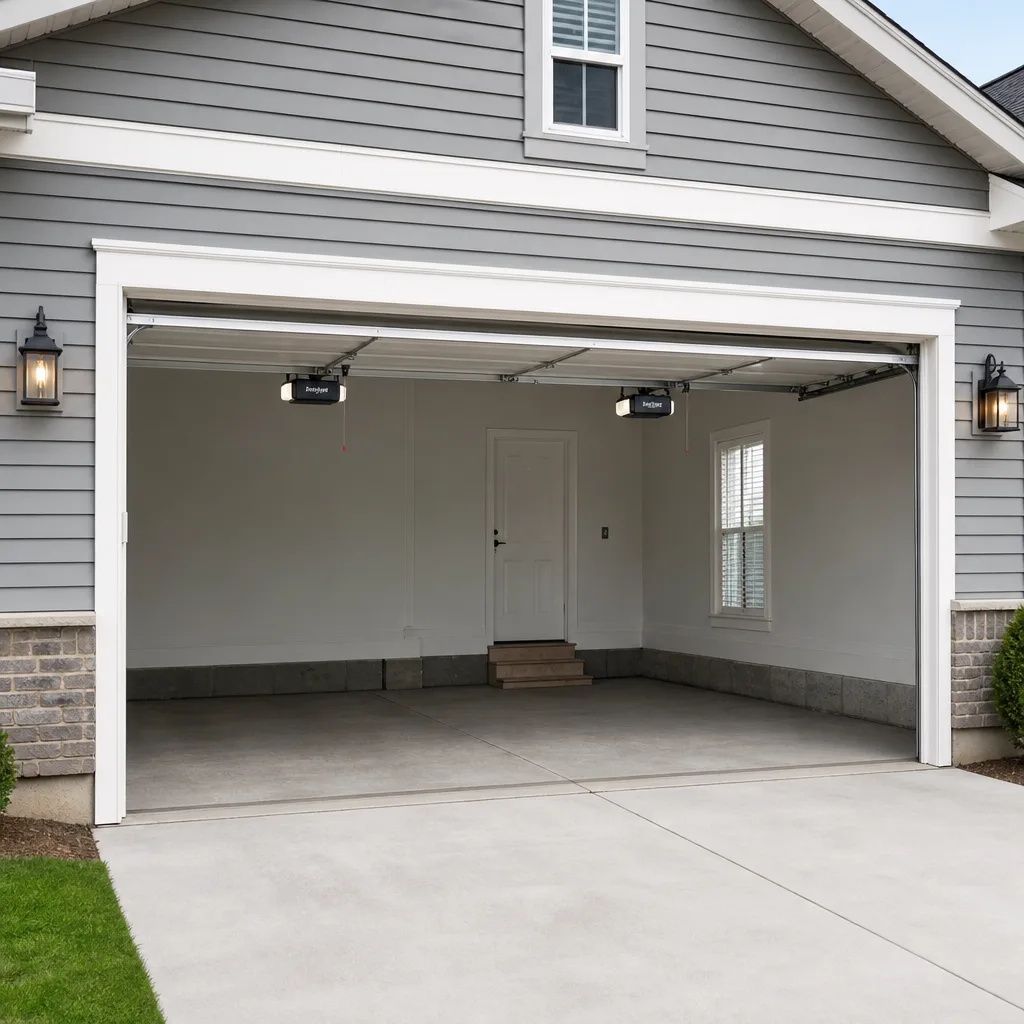
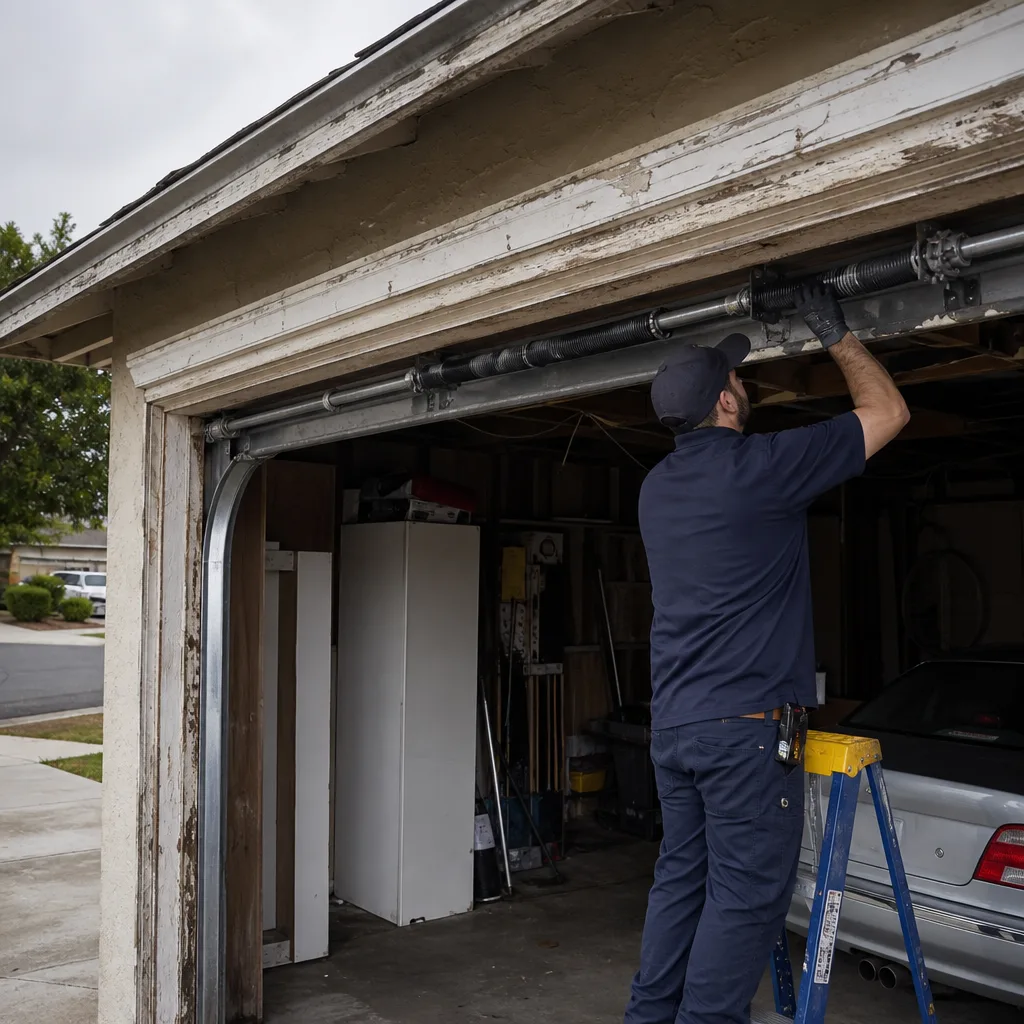 Before
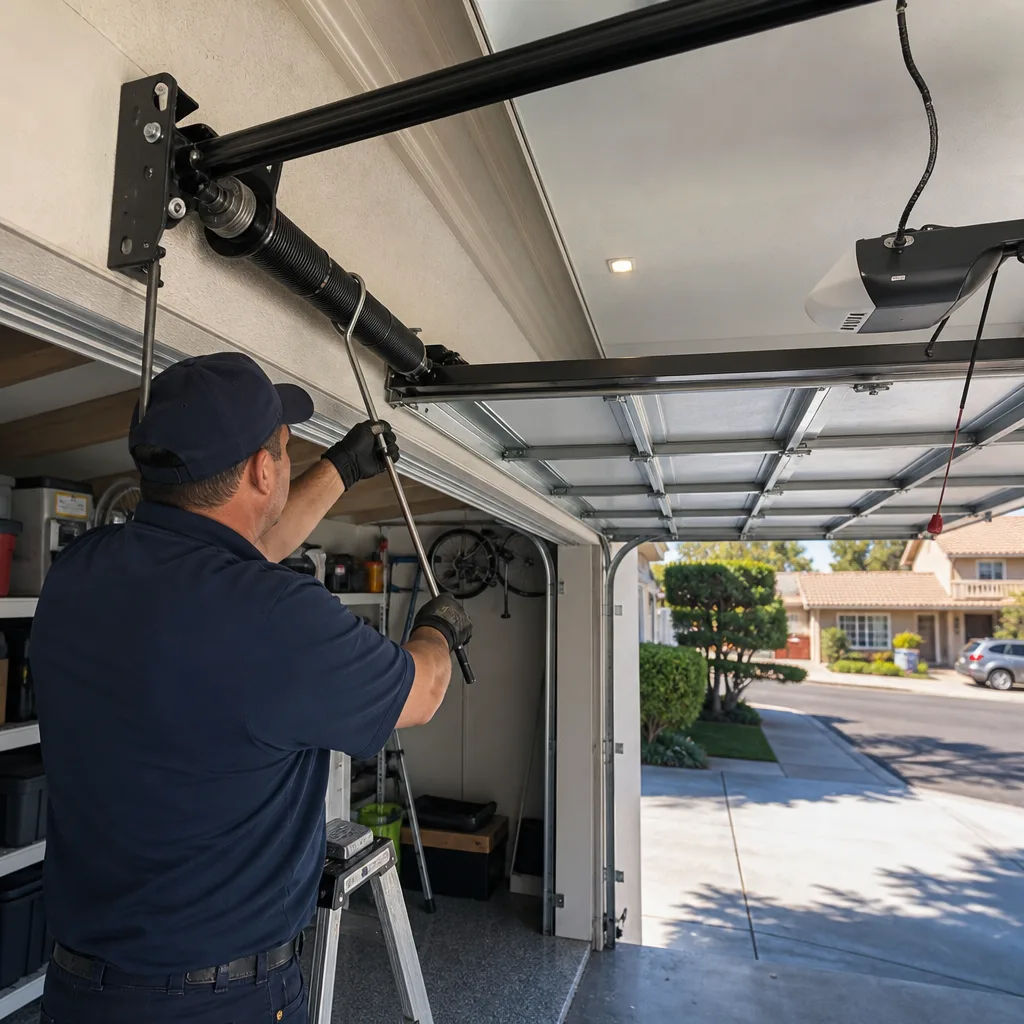 After
After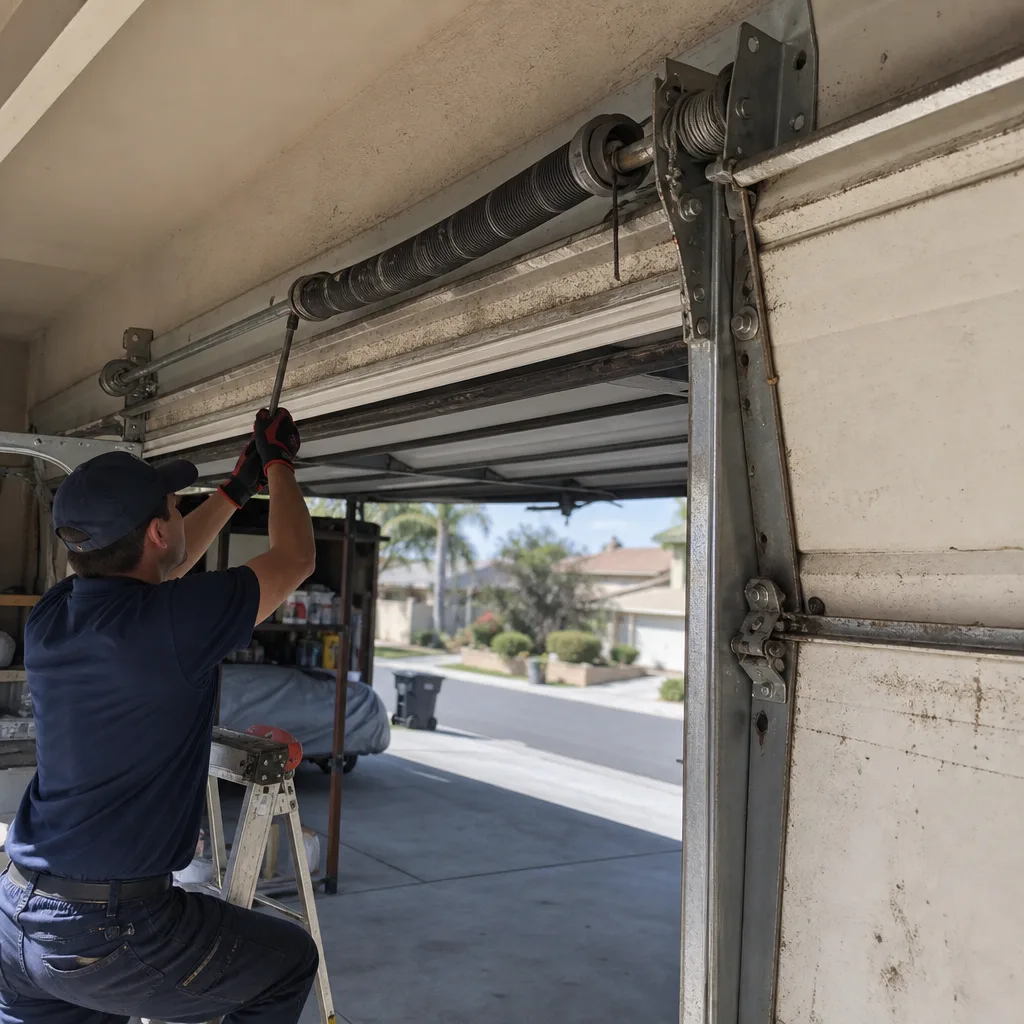 Before
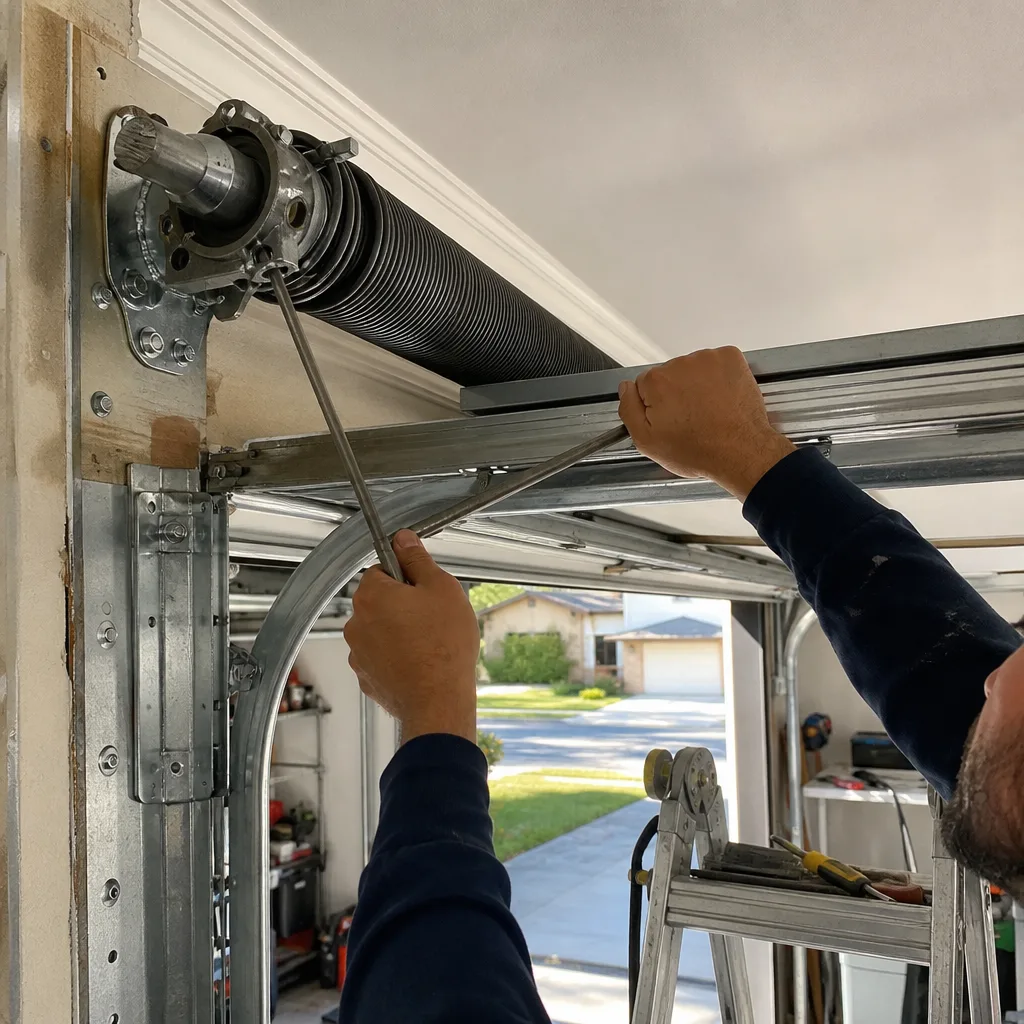 After
After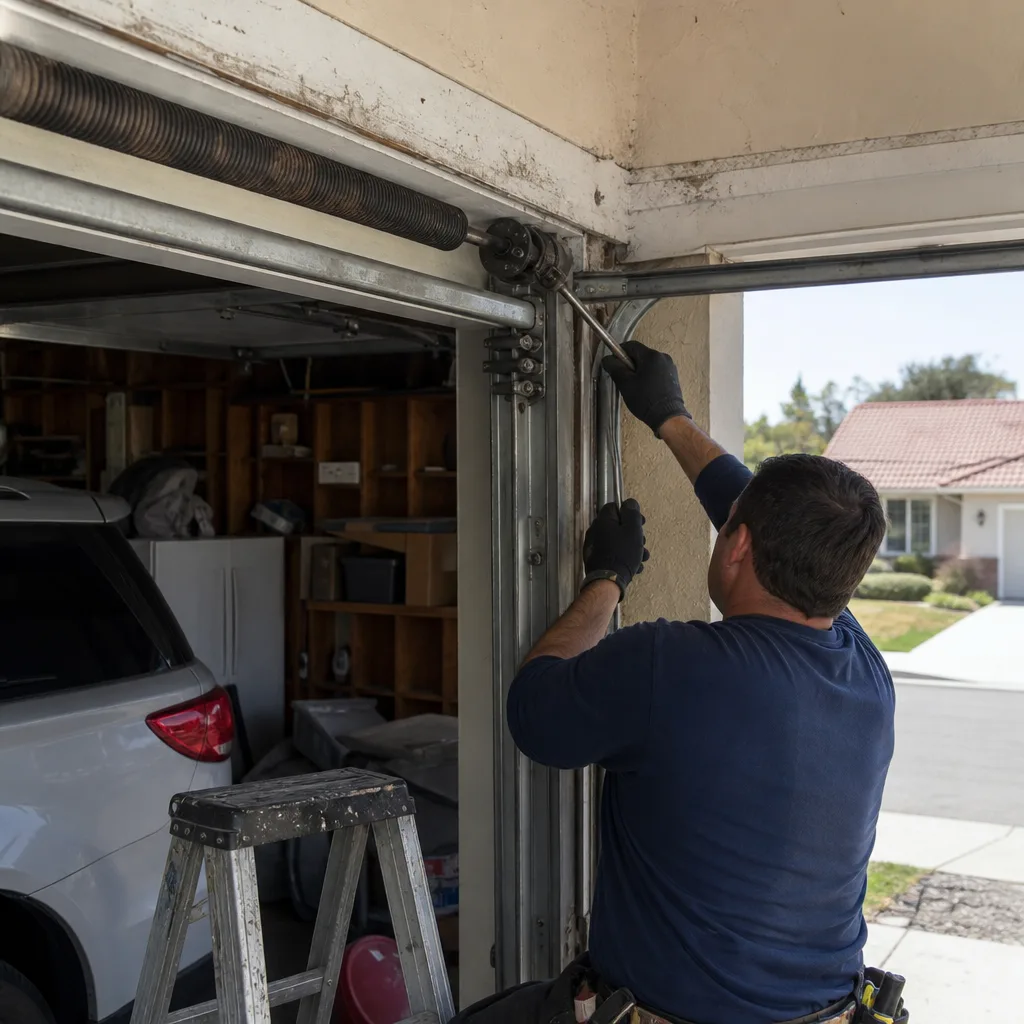 Before
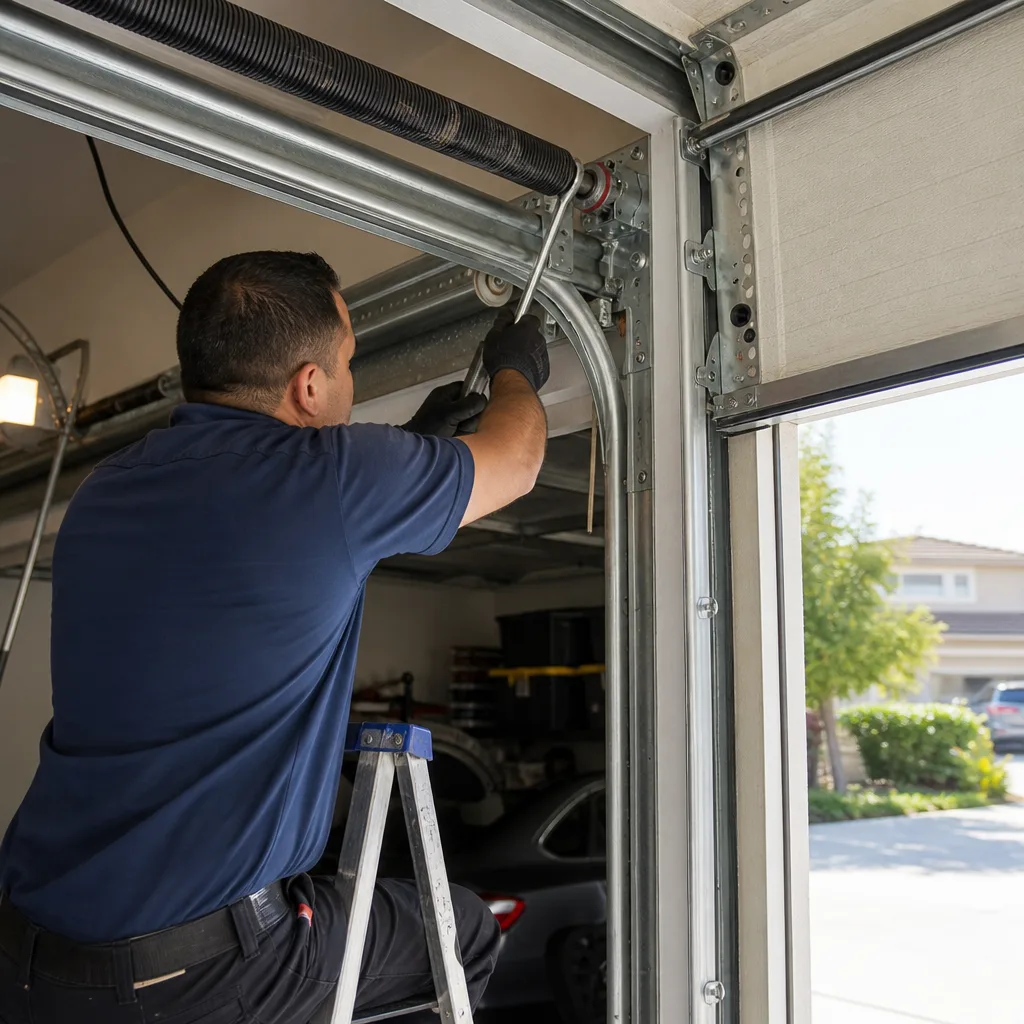 After
AfterThe Complete Guide to Garage Door in Mission Viejo
Most homeowners spend more time choosing a kitchen faucet than they do specifying the door that covers 30-40% of their home’s street-facing facade and cycles 1,500 times a year. In Mission Viejo, where planned communities from the 1960s through the 2000s were built with builder-grade hardware now reaching end-of-life, that oversight is catching up. This guide covers what Mission Viejo homeowners actually need to know: how our coastal-adjacent climate degrades materials differently than inland Orange County, how HOA architectural committees evaluate replacement doors, when to repair versus replace, and what a properly specced garage door looks like in 2026. For Garage Door Cost Breakdown: The Mission Viejo Homeowner’s Reference for 2026, see our dedicated pricing guide.
Quick Answer
A garage door in Mission Viejo should be specified for marine-adjacent salt air exposure, UV resistance above 8 on the summer index, and compatibility with your home’s HOA architectural guidelines. Most doors installed in local subdivisions between 1980 and 2010 were builder-grade steel with 10,000-cycle springs and openers sized to minimum spec, not the door’s actual weight. A proper 2026 replacement uses 25-gauge or thicker steel (or composite for coastal exposure), 30,000-cycle springs matched to verified door weight, and an opener with 25% excess lifting capacity.
Table of Contents
- How Mission Viejo’s Coastal-Adjacent Climate Affects Your Garage Door
- HOA Architectural Approval: What Actually Gets Approved
- Builder-Grade vs. Properly Specced: The 1980s-2026 Gap
- Why Spring Sizing Destroys Openers (And How to Prevent It)
- Repair vs. Replace: A Decision Matrix for Mission Viejo Homes
- Material Selection for Local Conditions
- Brands and Component Quality We Trust
- Seasonal Maintenance for Mission Viejo Homes
How Mission Viejo’s Coastal-Adjacent Climate Affects Your Garage Door
Mission Viejo sits 4-7 miles inland from Dana Point and Laguna Niguel, close enough for salt-laden marine air to drift east on prevailing westerlies, especially during May Gray and June Gloom when the marine layer penetrates inland until midday. That salt exposure is not full coastal severity, but it is materially different from Rancho Santa Margarita or Ladera Ranch, which sit behind the coastal hills with drier air.
We see the pattern clearly in our service calls. In Mission Viejo neighborhoods south of Marguerite Parkway and west of Alicia Parkway, closer to the coastal influence, steel door bottom panels show surface rust at 8-12 years instead of the 15-20 years typical in inland Orange County. The hardware, spring systems, and openers last longer than in true beach cities, but not as long as in Riverside or San Bernardino counties.
UV exposure is the other factor. Mission Viejo’s inland position means less marine layer burnoff in mornings, but afternoons deliver intense direct sun with UV index readings regularly above 8 in summer months. Factory paint on builder-grade doors chalks and fades within 5-7 years. Dark color selections, popular in the 1990s and 2000s for HOA compatibility, absorb more heat and accelerate thermal bowing in steel panels.
The freeze-thaw cycle is minimal here, which is good news for torsion spring longevity. Springs in Mission Viejo do not suffer the contraction-expansion stress that kills them in 5-7 years in mountain or desert climates. But they do accumulate salt film and moisture during marine layer mornings, which promotes corrosion at the spring ends where stress concentrates.
For material selection, this climate profile means:
- Steel doors need galvanizing or zinc-coating rated for moderate salt exposure, not just standard indoor-rated steel
- Composite or fiberglass doors merit serious consideration for west-facing installations with full afternoon sun plus coastal air
- Hardware and spring systems benefit from annual lubrication with silicone-based products that displace moisture
- Paint or factory finish should carry a UV resistance rating, not just colorfastness claims
In our experience, the homeowners who get 20+ years from a door in Mission Viejo are those who spec for the actual conditions, not the generic “Southern California” label on the box.
HOA Architectural Approval: What Actually Gets Approved
Mission Viejo’s planned community structure means most homeowners answer to an architectural review committee before replacing a garage door. The process varies by village, but the pattern is consistent enough that we can speak to what works.
The original Mission Viejo Company established design guidelines in the 1960s and 1970s that emphasized visual harmony with the Spanish Colonial and ranch architectural themes. Later villages, including those built in the 1980s and 1990s, maintained review requirements but with somewhat more flexibility. What has not changed: the garage door is a prominent visual element, and committees reject proposals that disrupt streetscape uniformity.
We have helped hundreds of Mission Viejo homeowners navigate this process. The doors that clear review consistently share these characteristics:
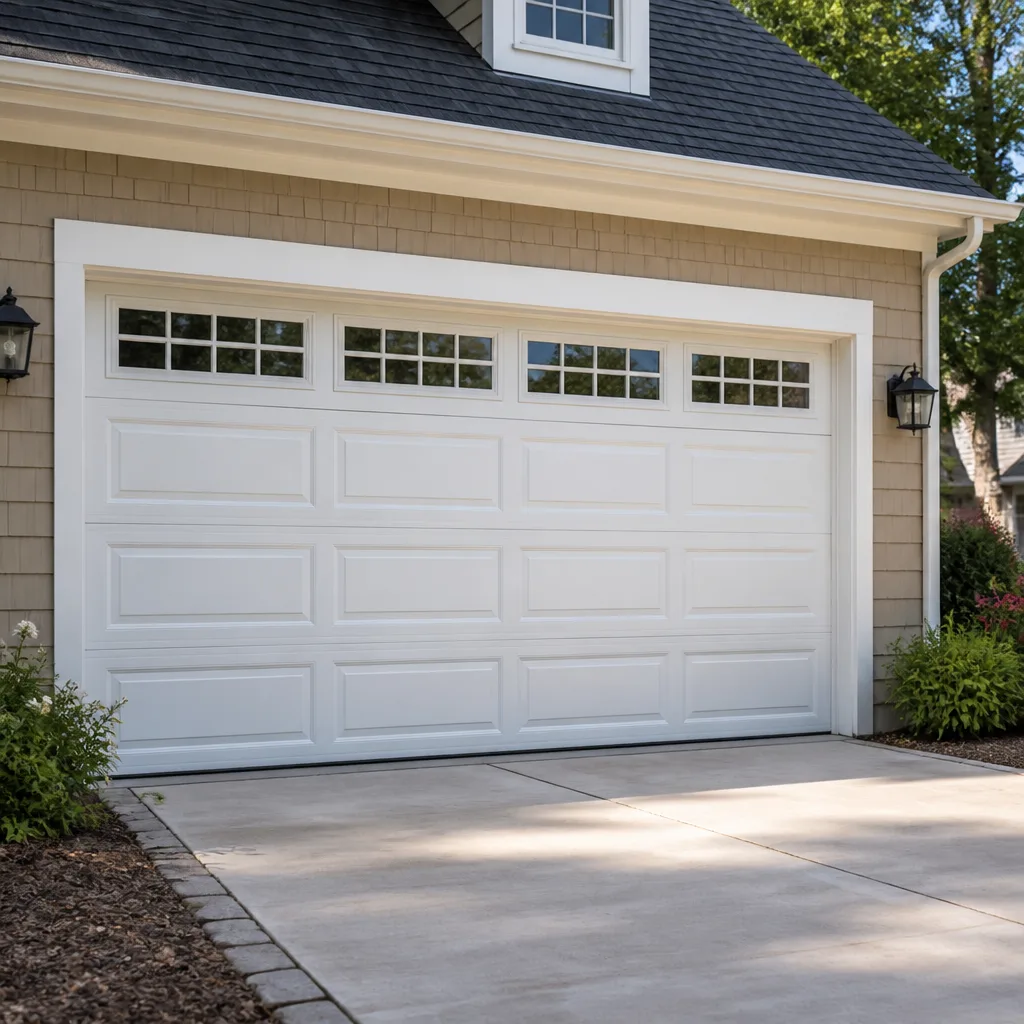
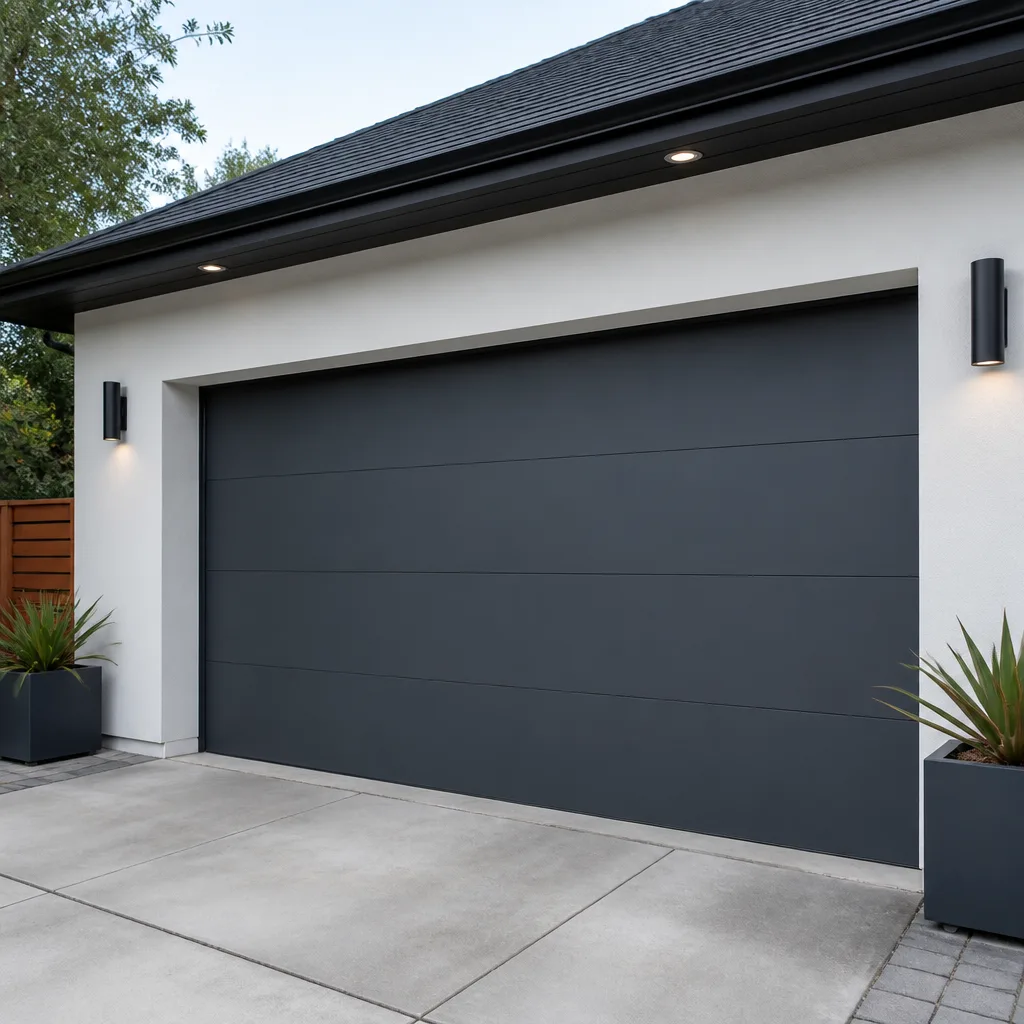
- Panel style matches the neighborhood era. Raised-panel short designs for 1970s-1980s villages; recessed or carriage-house styles for 1990s-2000s neighborhoods with more architectural variety. Flush panels rarely pass in traditional villages unless the original builder used them.
- Color stays within the approved palette. Most Mission Viejo HOAs maintain a list of 8-15 approved exterior colors. White, almond, and sandstone are near-universal approvals. Darker tans and soft grays usually pass. True black, bright colors, or wood-tone stains require individual review and often fail.
- Window placement respects privacy guidelines. Many HOAs restrict or prohibit windows in garage doors that face the street, or require frosted glass. This is less about aesthetics than about neighborhood privacy standards established decades ago.
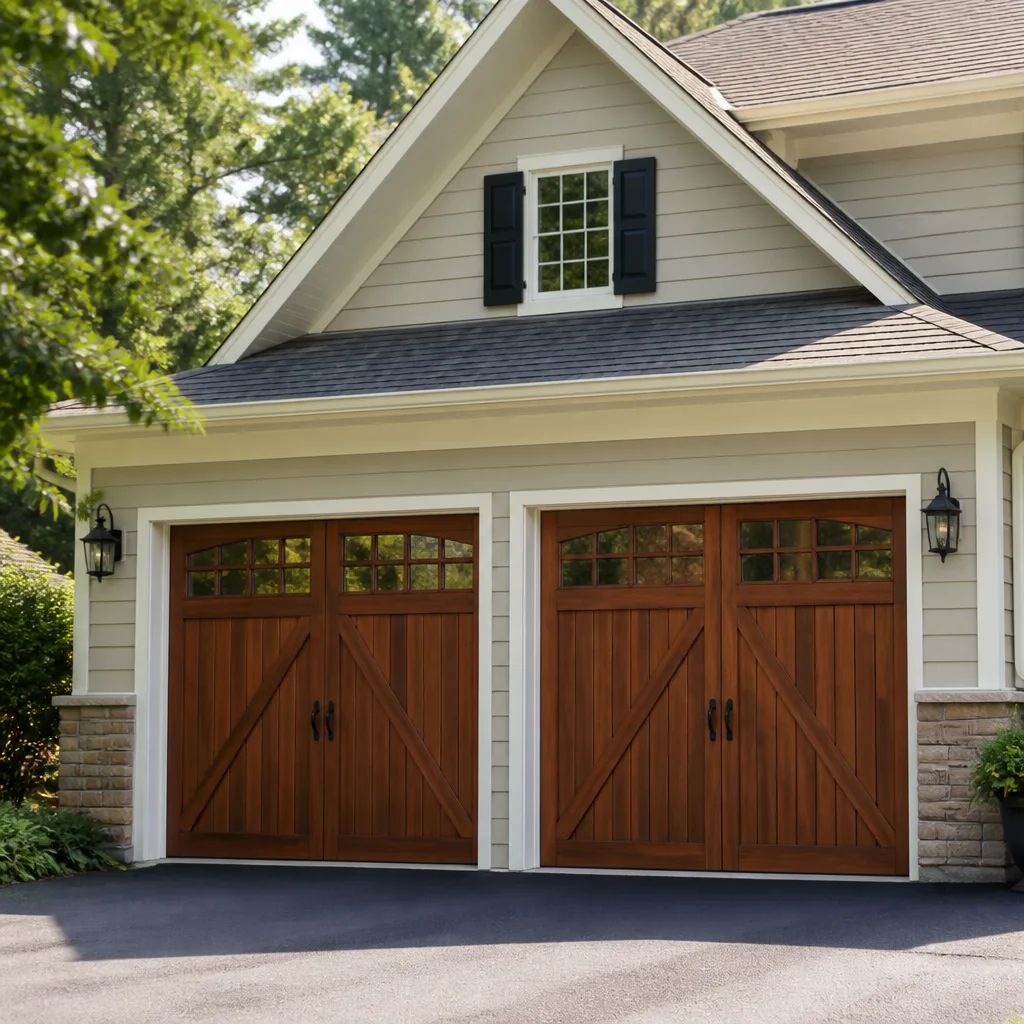
- Decorative hardware is restrained or absent. Heavy strap hinges and handles in a carriage-house style sometimes pass in newer villages, but traditional committees view them as affected and often reject them.
The approval timeline varies. Some villages process applications in 10-14 days; others take 30-45 days with architectural committee meetings held monthly. We always advise Mission Viejo homeowners to submit before ordering, and to include manufacturer specification sheets with the application, since Garage Door Permits, Codes & Inspections in CA: What You Need to Know can affect timeline and requirements. A complete package moves faster than a description alone.
One practical note: if your original door was a specific Clopay or Wayne Dalton model used by the builder, replacing with the current equivalent in an approved color often receives automatic or expedited approval. We maintain records of common builder specifications by village and can identify these matches quickly.
Builder-Grade vs. Properly Specced: The 1980s-2026 Gap
The garage doors installed in Mission Viejo’s major construction waves, roughly 1970-1985, 1985-1995, and 1995-2008, were selected to a price point, not a performance specification. Understanding what you have versus what is available now clarifies every decision about repair or replacement.
Typical builder-grade specifications:
- 24- or 25-gauge steel (thinner than current standards; dents easily)
- Polystyrene insulation or none (R-value below 4)
- 10,000-cycle torsion springs (approximately 7-10 years of average use)
- Openers rated at 1/2 HP with nominal lifting capacity, often undersized for actual door weight
- Basic steel rollers, no ball bearings, no sealed construction
- Minimal weatherstripping, often degraded within 5 years
A properly specced 2026 replacement:
- 24- or 25-gauge steel minimum, with 25-gauge or thicker for high-traffic or large doors; composite construction for coastal-exposed installations
- Polyurethane insulation with R-value 12-18, improving both thermal performance and panel rigidity
- 30,000- or 50,000-cycle torsion springs, with lifetime options available
- Opener sized with 25% excess capacity above door weight, typically 3/4 HP for standard residential doors
- Nylon-sealed ball-bearing rollers rated for 100,000 cycles
- Dual-flap vinyl bottom seal and perimeter weatherstripping designed for 15+ year service life
The performance difference is not incremental. A properly specced door cycles more quietly, maintains alignment longer, imposes less load on the opener, and costs less to operate over its life. The upfront cost is higher, but the total cost of ownership often favors replacement within 10-12 years, especially when builder-grade doors require repeated spring, opener, and panel repairs.
In Mission Viejo specifically, we see the gap most acutely in the 1990s subdivisions. Those doors are now 25-30 years old, past design life, with original springs long since failed and replaced (often with equally undersized parts), and openers straining against accumulated wear. Homeowners who have patched these systems twice are usually money-ahead with full replacement.
Why Spring Sizing Destroys Openers (And How to Prevent It)
This is the technical point most homeowners never hear, and it is the single most common cause of premature opener failure we see in Mission Viejo.
A garage door typically weighs 150-250 pounds. The torsion spring system is engineered to carry nearly all of that weight, so the opener only needs to provide 10-15 pounds of lifting force to initiate movement and guide the door. When springs are correctly sized and balanced, the door stays in place when released at mid-travel, and the opener operates well below its rated capacity.
When springs are undersized, worn, or incorrectly paired, the door weight transfers to the opener. The motor strains, gears wear, and the drive system fails prematurely. We regularly see openers rated for 15+ years fail in 5-7 years because they were lifting 40-60 pounds instead of the design 10-15 pounds.
The problem is compounded by replacement practices. When a spring breaks, some technicians install the cheapest replacement that will fit, not the correctly sized spring for the door’s actual weight. Or they replace only one spring on a two-spring system, creating imbalance. Or they use a standard spring from the truck without weighing the door or checking the drum size and cable length, which affect the effective spring rate.
In Mission Viejo, we see this pattern most often in:
- Homes where the original builder used a single spring on a heavy door to save cost, and subsequent replacements maintained the undersized configuration
- Doors with added insulation or overlay panels that increased weight without spring recalculation
- Repairs by technicians who did not have a scale or did not use it
The correct process is specific: weigh the door with springs released, calculate the required spring rate based on door weight, drum diameter, cable length, and desired cycle life, then install matched springs with proper winding and safety containment. We do this on every spring job. It takes longer than swapping in a generic spring, but it is the difference between a door that runs quietly for 15 years and one that destroys its opener in 5.
Safety note: Torsion springs store lethal energy. A standard residential spring holds enough torque to cause serious injury or death if released improperly. We do not recommend homeowners attempt spring measurement, weighing, or replacement. The door weight verification and spring calculation require specialized tools and training.
Repair vs. Replace: A Decision Matrix for Mission Viejo Homes
This is the question we answer most often on service calls. The decision depends on door age, condition, spring cycle status, opener compatibility, and the homeowner’s timeline in the house. Here is how we evaluate it.
Repair is the better choice when:
- The door is less than 12 years old and the panels are structurally sound
- The spring system has been correctly sized and is within its cycle life
- The opener is less than 8 years old, properly sized, and the failure is isolated (gear, sensor, or remote issue)
- The repair cost is under 30% of replacement cost
- You plan to sell within 2-3 years and the door functions acceptably
Replace is the better choice when:
- The door is original to a 1980s-1990s home and has never been replaced
- Multiple panels are rusted, dented, or delaminated
- The spring system has failed twice or more, indicating chronic undersizing
- The opener has failed prematurely and shows signs of overwork (stripped gears, hot motor, slow operation)
- You plan to stay in the home 5+ years and want to eliminate recurring service calls
- Energy efficiency or noise reduction is a priority, and the current door has minimal insulation
The borderline cases:
A 15-year-old door with one failed spring and a functioning opener is the classic dilemma. Our approach is to weigh the door, inspect the opener for stress indicators, and quote both repair and replacement. If the door weighs more than the spring system was designed for, we recommend replacement because the next failure is predictable. If the system was correctly sized and the failure was simply cycle exhaustion, repair with upgraded 30,000-cycle springs is reasonable.
In Mission Viejo’s older villages, we see many homeowners who have repaired the same door three times in ten years. At that point, cumulative repair cost exceeds replacement, and the door still has original panels, hardware, and weatherstripping. We will say so directly, and we will show the math.
Material Selection for Local Conditions
Mission Viejo’s specific climate profile, marine-influenced but not coastal, with high summer UV and minimal freeze, creates a material selection problem that generic guides do not address.
Steel remains the default choice for most Mission Viejo homes, but the specification matters. We recommend:
- Galvanized or zinc-coated steel for all installations, not just “painted” steel
- Minimum 25-gauge for single doors, 24-gauge for doubles, to resist denting and thermal bowing
- Polyurethane foam injection rather than polystyrene backing, for structural rigidity and thermal performance
- Factory-applied finish with UV-stable polyester or fluoropolymer coating, not just baked enamel
Composite and fiberglass deserve consideration for specific situations. In neighborhoods closest to coastal influence, or for west-facing doors with full afternoon sun exposure, composite construction eliminates rust risk and thermal expansion issues. The tradeoff is cost, typically 30-50% above steel, and more limited style selection. We have installed composite doors in the Pacific Hills and Casta del Sol areas where homeowners wanted maximum longevity with minimal maintenance.
Wood and wood-look options face HOA scrutiny in Mission Viejo. Real wood requires maintenance that most homeowners underestimate, and many HOAs prohibit it for garage doors due to fire code considerations in wildland-urban interface zones. Faux-wood steel or composite overlays, available from Clopay and Amarr, provide the aesthetic with better durability and easier approval.
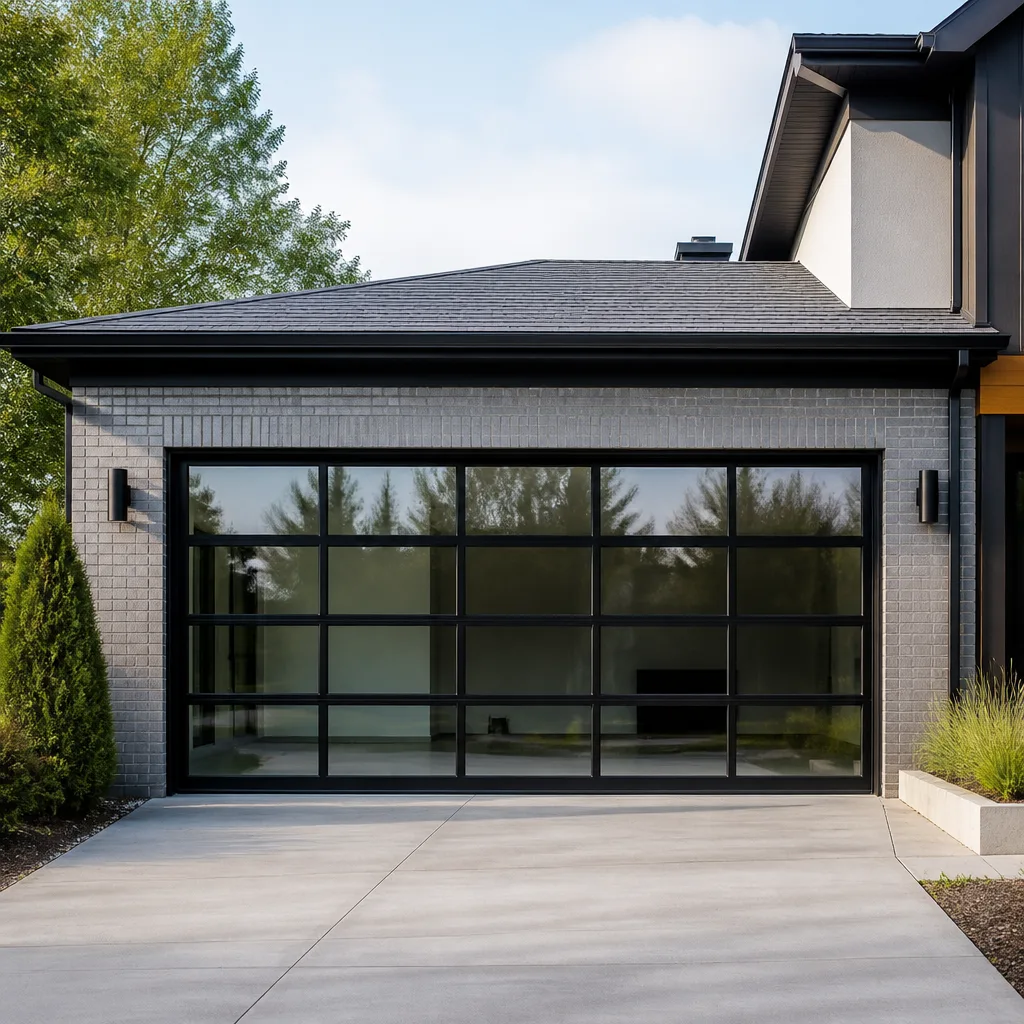
Aluminum and glass contemporary doors are increasingly popular in newer Mission Viejo construction and major renovations. They are lightweight, reducing spring and opener requirements, but the glass panels create thermal and privacy considerations. We evaluate these case by case based on orientation, HOA restrictions, and homeowner priorities.
Brands and Component Quality We Trust
We are factory-familiar with all major brands and service everything, but our installation recommendations for Mission Viejo conditions reflect specific performance in this climate.
Clopay offers the broadest range of panel styles and insulation options, with their Gallery and Canyon Ridge collections frequently passing Mission Viejo HOA review. Their Intellicore polyurethane insulation provides excellent thermal performance and panel rigidity. We have installed hundreds of Clopay doors in local villages with strong long-term results.
Amarr provides excellent value in their Stratford and Lincoln collections, with durable construction and a color range that aligns well with Mission Viejo HOA palettes. Their hardware packages are consistently high quality.
Wayne Dalton remains common in original installations, and we maintain full parts availability for repair and replacement. Their current product line includes improved insulation and finish options compared to original builder specifications.
Craftsman openers, now manufactured by Chamberlain, offer reliable performance with strong local parts availability. We recommend their belt-drive models for attached garages where noise reduction matters.
For openers across all brands, we specify 3/4 HP minimum for standard doors, with battery backup now required by California law for new installations. The battery backup requirement is not optional, and we include it in every replacement quote.
Seasonal Maintenance for Mission Viejo Homes
A simple maintenance routine extends door life significantly in Mission Viejo’s specific conditions. We recommend twice-yearly attention, in spring and fall, with additional checks after significant weather events.
- Visual inspection of all hardware. Look for rust on springs, cables, and bottom fixtures. Check rollers for wobble or binding. Inspect panels for dents, delamination, or finish failure.
- Lubrication of moving parts. Apply silicone-based spray lubricant to torsion springs, hinges, and rollers. Do not use WD-40, which attracts dust and gums up. Wipe excess to prevent drips on vehicles or flooring.
- Balance test. Disconnect the opener and lift the door manually to mid-travel. It should stay in place without drifting up or down. If it drifts, the spring system needs adjustment.
- Auto-reverse safety test. Place a 2×4 flat on the floor in the door path. The door should reverse on contact. Test photoelectric sensors by waving an object through the beam during closing.
- Weatherstripping inspection. Check bottom seal and perimeter seals for cracking, compression, or daylight gaps. Replace when degraded, as failed seals admit moisture, dust, and pests.
- Track cleaning and alignment check. Remove debris from tracks with a cloth. Do not lubricate tracks, which attracts grit. Check for dents or misalignment that causes binding.
Our $89 Seasonal Tune-Up covers all six items with professional adjustment where needed. For most Mission Viejo homeowners, this is the most cost-effective service we offer - and you can find more guides & resources on our blog.
Common Mistakes to Avoid
- Ignoring the spring-opener relationship. Replacing a failed opener without checking spring balance guarantees premature failure of the new unit. We see this constantly on service calls where a “bad opener” was actually an overworked opener.
- Choosing color before checking HOA approval. We have had homeowners order custom-color doors that sat in our warehouse for weeks awaiting committee rejection and reorder. Submit first, order second.
- Accepting the lowest bid without specifying components. Two “spring replacement” quotes can differ by $100 with dramatically different spring cycle life, hardware quality, and warranty terms. We quote flat prices with component specifications in writing.
- Neglecting the door when remodeling. A $100,000 kitchen renovation paired with a rusted, noisy garage door undercuts curb appeal and resale value. Coordinate door replacement with exterior projects.
- DIY spring or cable work. The injury risk is genuine and severe. We have been called to homes where a well-intentioned repair attempt created additional damage and personal injury.
- Assuming all steel doors are equivalent. Gauge, coating, insulation type, and finish quality vary enormously. A 24-gauge galvanized door with polyurethane insulation outlasts a 27-gauge painted door with polystyrene by a decade in Mission Viejo conditions.
When to Call a Professional
Call a qualified garage door technician when the door makes grinding or binding noises, reverses unexpectedly, hangs crooked in the opening, moves slowly or unevenly, or when springs, cables, or rollers show visible wear. These symptoms indicate conditions that worsen with use and can cause secondary damage to the opener or door structure.
For spring or cable issues specifically, professional service is essential due to the stored energy hazard. We do not provide DIY guidance for these components because the risk of serious injury outweighs any potential savings.
Mainspring Garage Door Co. offers free estimates in Mission Viejo - call (562) 262-6410. We arrive with the parts to complete most repairs in a single visit, state the flat price before any work begins, and back every job with our 90-Day Done Right Promise in writing.
Frequently Asked Questions
A properly specced and maintained garage door should last 20-30 years in Mission Viejo’s climate, though builder-grade doors from the 1980s-2000s often fail at 12-15 years due to undersized components and inadequate corrosion protection. Salt air drift from the coast accelerates hardware degradation compared to fully inland locations. Call (562) 262-6410 for an assessment of your specific door’s remaining service life - estimates are free.
Standard single-car steel door replacement in Mission Viejo typically ranges from $1,200-$2,200 installed, depending on gauge, insulation, window configuration, and hardware quality. Double-car doors range from $1,800-$3,500. Composite or custom designs run higher. We provide written, itemized quotes with no obligation, and the price stated is the price paid - no surprises on the bill.
Most Mission Viejo planned communities require architectural committee approval before exterior changes, including garage doors. The process typically takes 10-30 days depending on the village. We maintain records of common builder specifications and approved styles by neighborhood, which streamlines application preparation. Submit your application before ordering to avoid delays.
Chronic opener failure almost always indicates an underlying spring or balance problem. When springs are undersized or worn, the opener carries excess door weight and strains beyond its design capacity. Replacing the opener without correcting spring sizing guarantees repeat failure. We diagnose the root cause and quote both repair and replacement options with the math to support the recommendation.
We complete most repairs in a single visit because our trucks carry springs, cables, rollers, openers, and hardware for all major brands. Same-day service is available for Mission Viejo calls received during business hours, and our phones are staffed by a live person 24/7 including nights, weekends, and holidays. Emergency service is available for doors stuck open or unable to secure.
If any work we perform is not right, we return and make it right at no charge - no paperwork to file, no dispute process, no expiration date within those 90 days. The promise is stated in writing on every invoice. We have honored it since 1984, and it is why homeowners who use Mainspring once typically call us again.
The Bottom Line
A garage door in Mission Viejo demands specification for marine-adjacent salt exposure, intense summer UV, and HOA architectural compliance - factors that generic buying guides ignore. Most doors installed during the city’s major construction waves were built to minimum cost, not maximum longevity, and are now reaching end-of-life with compounded wear from undersized springs and overworked openers. The homeowners who get lasting performance invest in proper material selection, correct spring sizing, and professional installation with written warranty protection. Whether you are maintaining an existing door or evaluating replacement, the principle is the same: do it right, or plan to do it again.
Mainspring Garage Door Co. has served Mission Viejo and surrounding communities since 1984. We offer garage door installation in Mission Viejo, repair, and opener service, with trucks stocked for single-visit completion, upfront flat pricing, and live phone answering 24/7. Call (562) 262-6410 for a free estimate. Mention this guide for $50 off any repair over $250, or ask about our $89 Seasonal Tune-Up and permanent 5% senior and veteran discount.
Written by Carl Dutton, Owner at Mainspring Garage Door Co., serving Mission Viejo since 2016.