
Last updated September 10, 2026
Full 25-point door and opener safety check with every visit - springs, cables, rollers, tracks, and your LiftMaster or Chamberlain opener included
You get a price before we start. It does not change when the truck arrives.
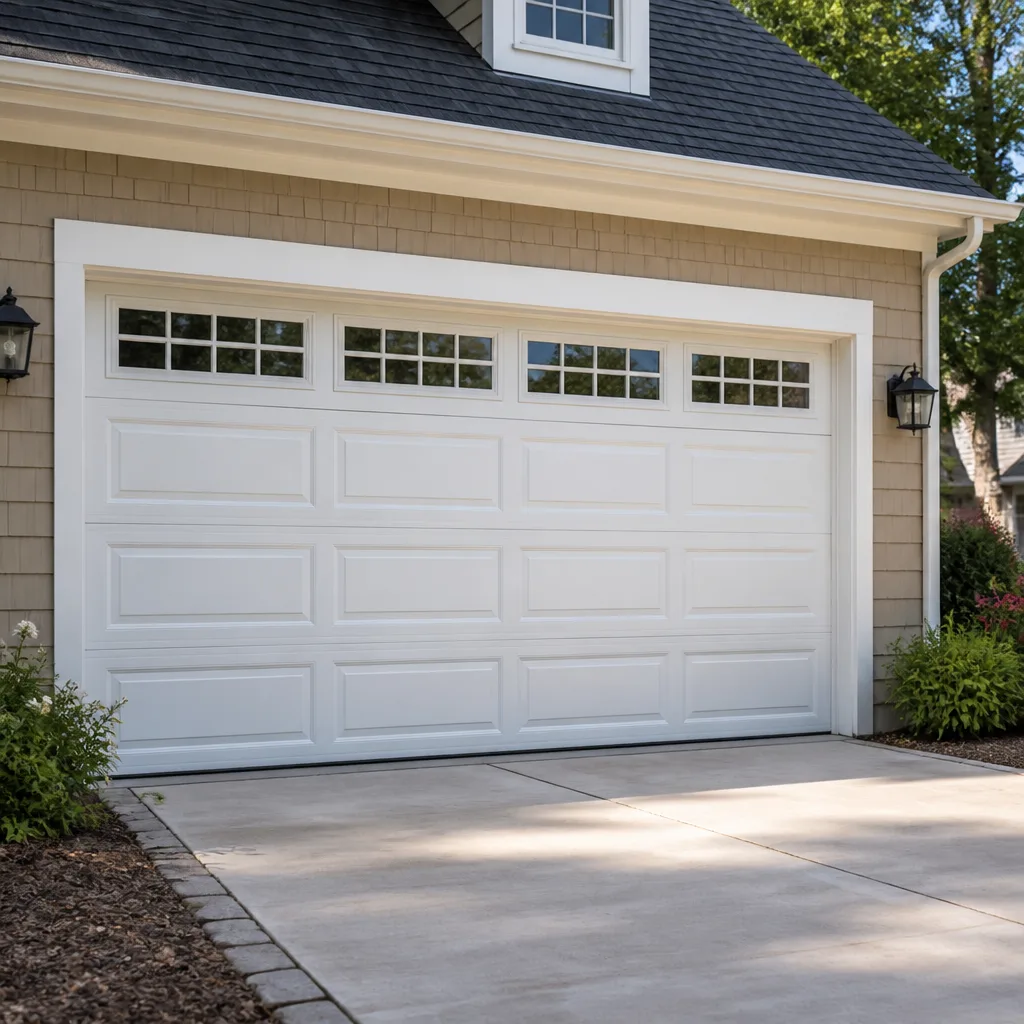

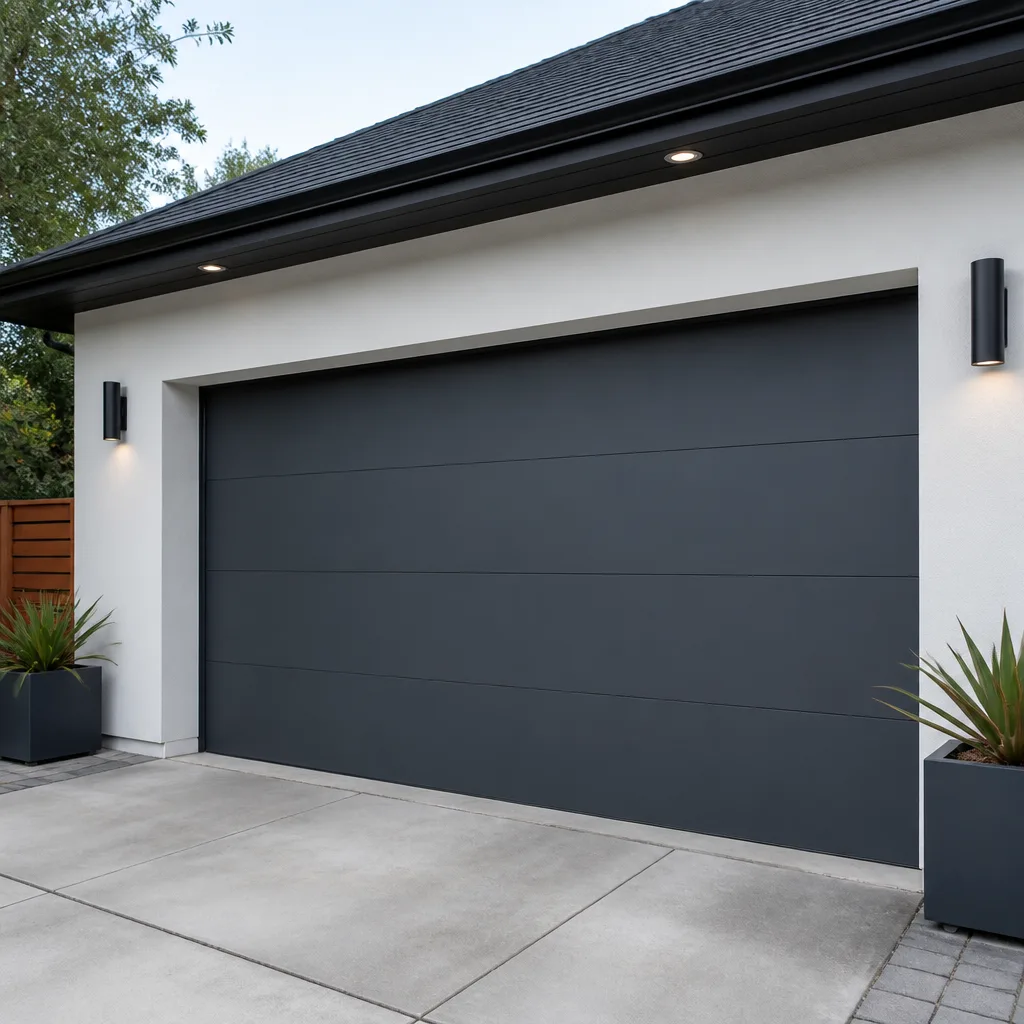
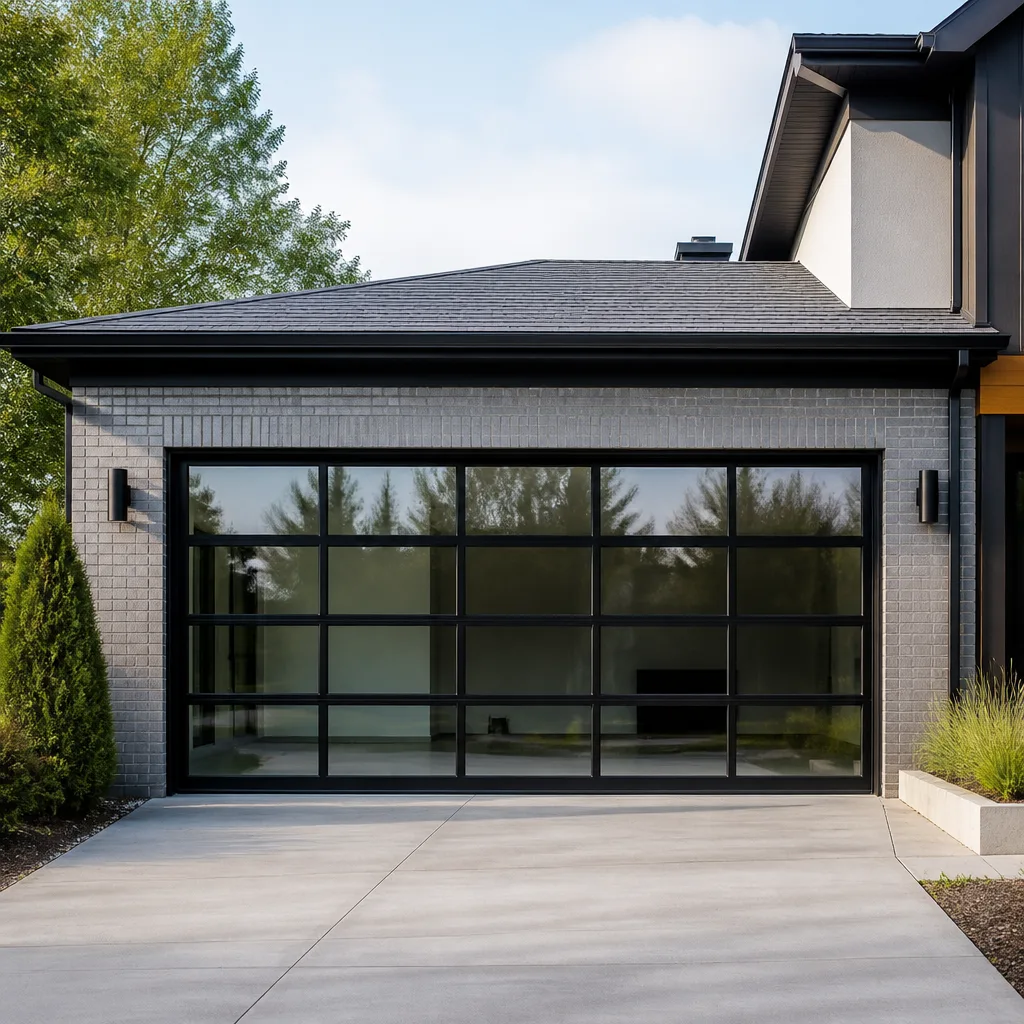
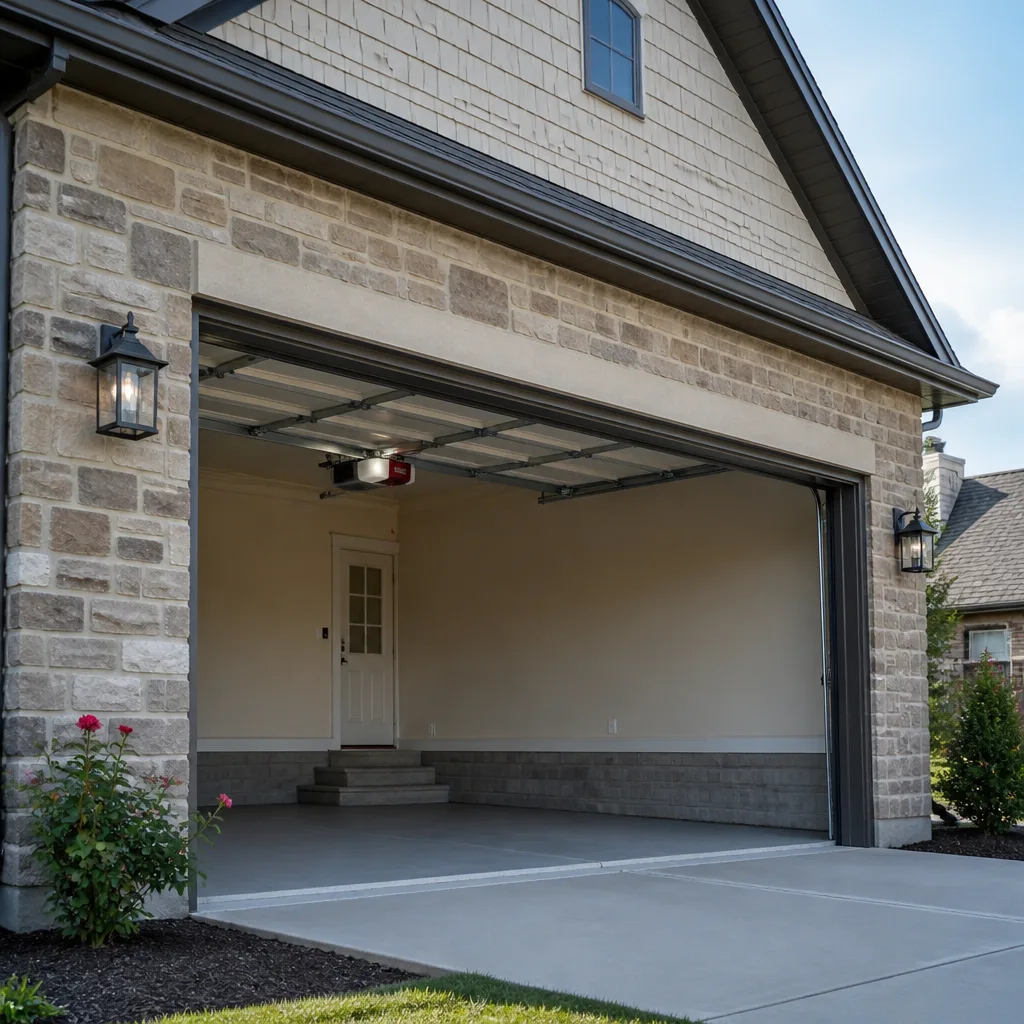
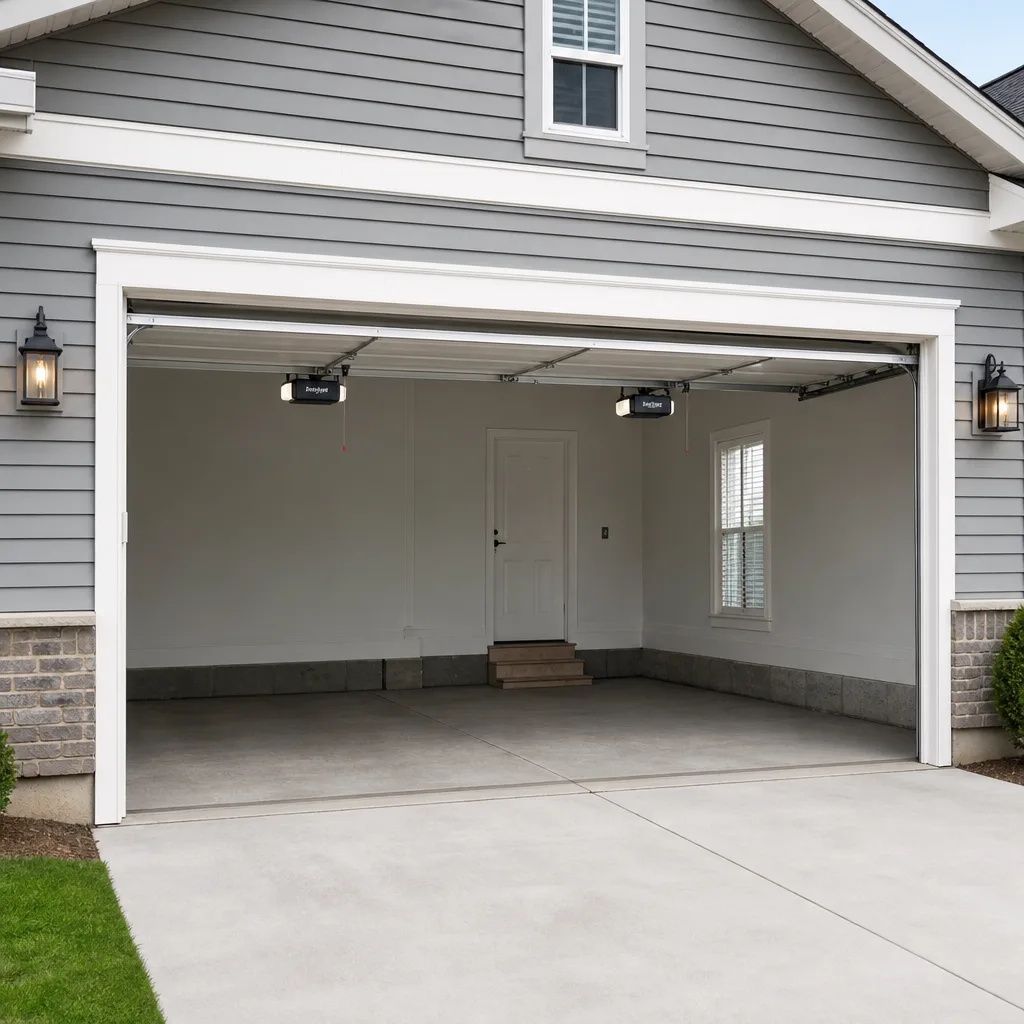
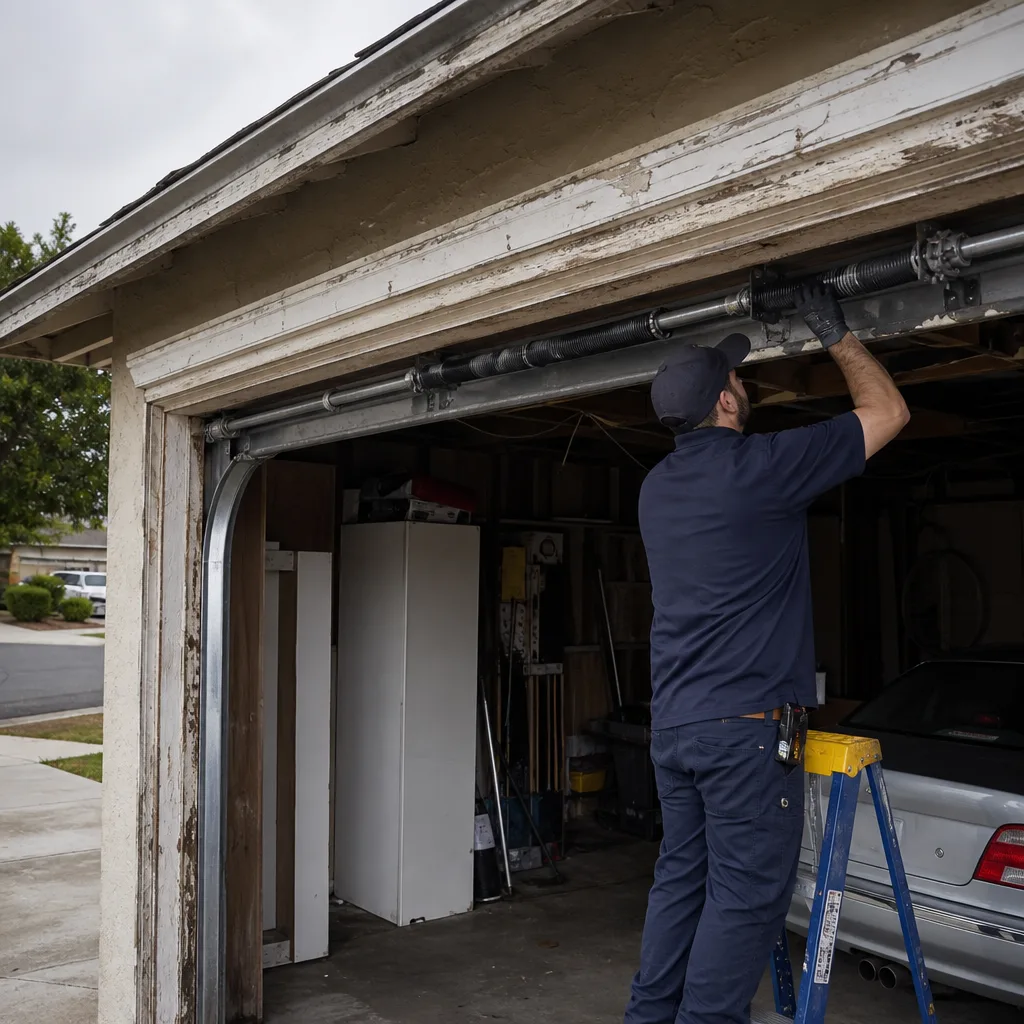 Before
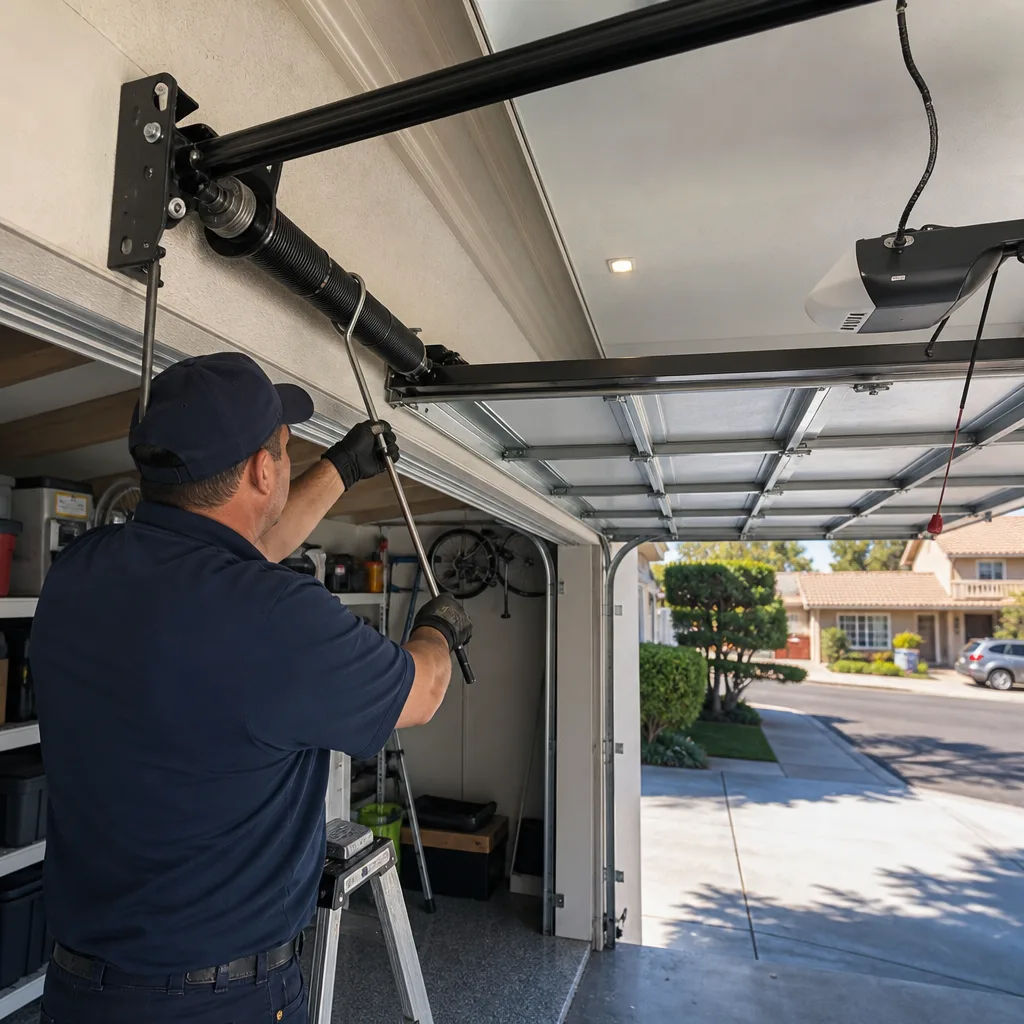 After
After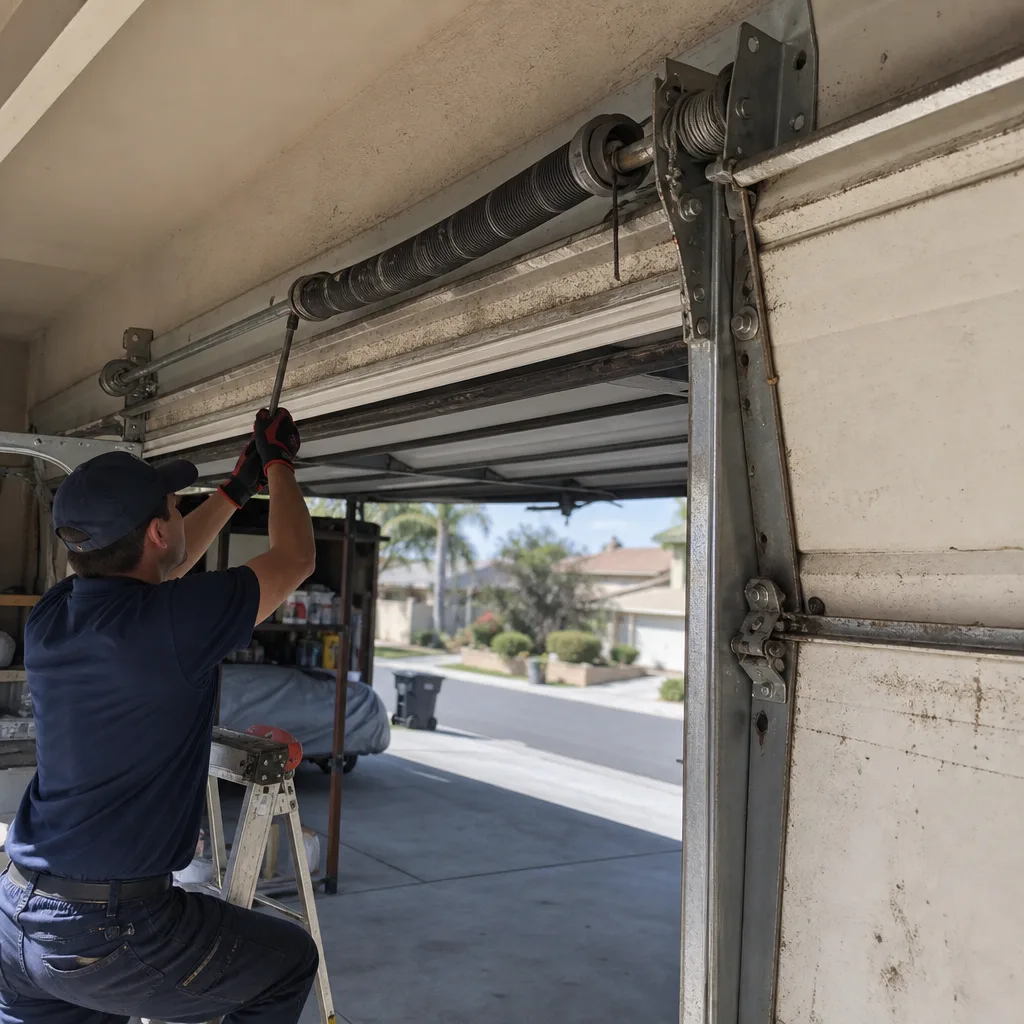 Before
 After
After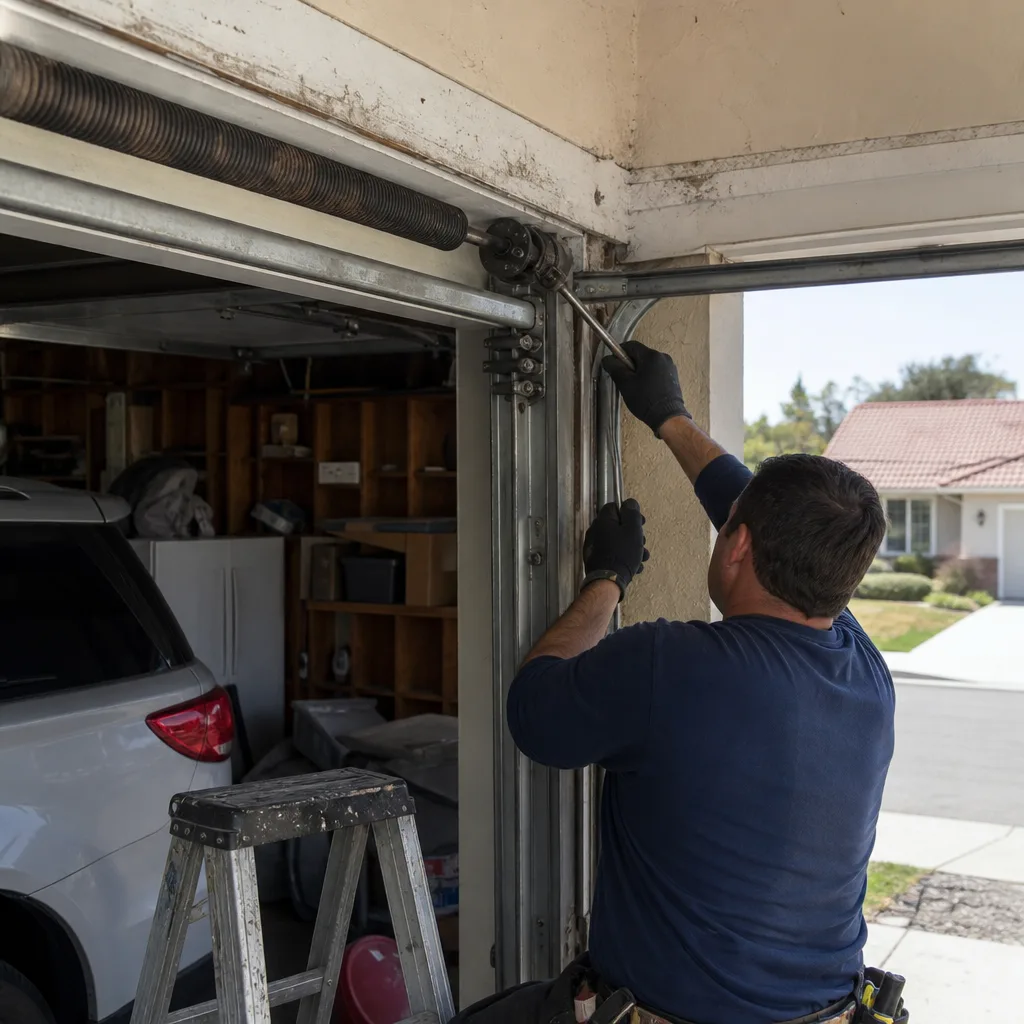 Before
 After
AfterGarage Door Repair Maintenance Checklist for Mission Viejo Homeowners
A garage door has 12 to 15 individual components that wear independently. Most homeowners in Mission Viejo only notice one of them, when the door stops moving entirely. The average garage door cycles 1,500 times per year in a typical suburban household, yet fewer than one in ten owners perform any scheduled inspection. In South Orange County’s combination of high UV exposure, low humidity, and occasional Santa Ana heat spikes, rubber seals harden faster, metal expands and contracts more aggressively, and dust infiltration accelerates roller wear. This guide walks through what actually fails here, in the order it fails, with specific intervals and products that match our climate. For hands-on help, see our Garage Door Repair services.
Quick Answer
Mission Viejo homeowners should inspect their garage door every six months, lubricate moving parts with silicone-based grease quarterly, and replace weatherstripping every two to three years due to UV degradation. The inspection sequence matters: springs first (safety-critical and tension-loaded), then rollers, tracks, cables, opener hardware, and seals last. Keep a simple log of findings so any future technician visit starts with facts, not guesses. You can also explore more guides & resources on our blog.
Table of Contents
- How to Inspect Springs Without Touching Them
- Roller Wear: What Mission Viejo Dust Does to Your Door
- Track Alignment and Fastener Checks
- Cable Fraying and Drum Inspection
- Opener Hardware, Safety Sensors, and Force Settings
- Bottom Seal and Weatherstripping in High-UV Climates
- What to Lubricate, What to Leave Alone, and What Product to Use
- The Maintenance Log That Saves Money on Every Future Visit
How to Inspect Springs Without Touching Them
Torsion springs carry the full weight of your garage door, typically 150 to 250 pounds depending on size and material. In Mission Viejo, these springs experience a unique stress pattern: warm afternoons followed by cool evenings, especially during Santa Ana events, create repeated thermal expansion and contraction. This tension drift is gradual but cumulative. A spring rated for 10,000 cycles may reach fatigue failure at 8,500 in our climate.
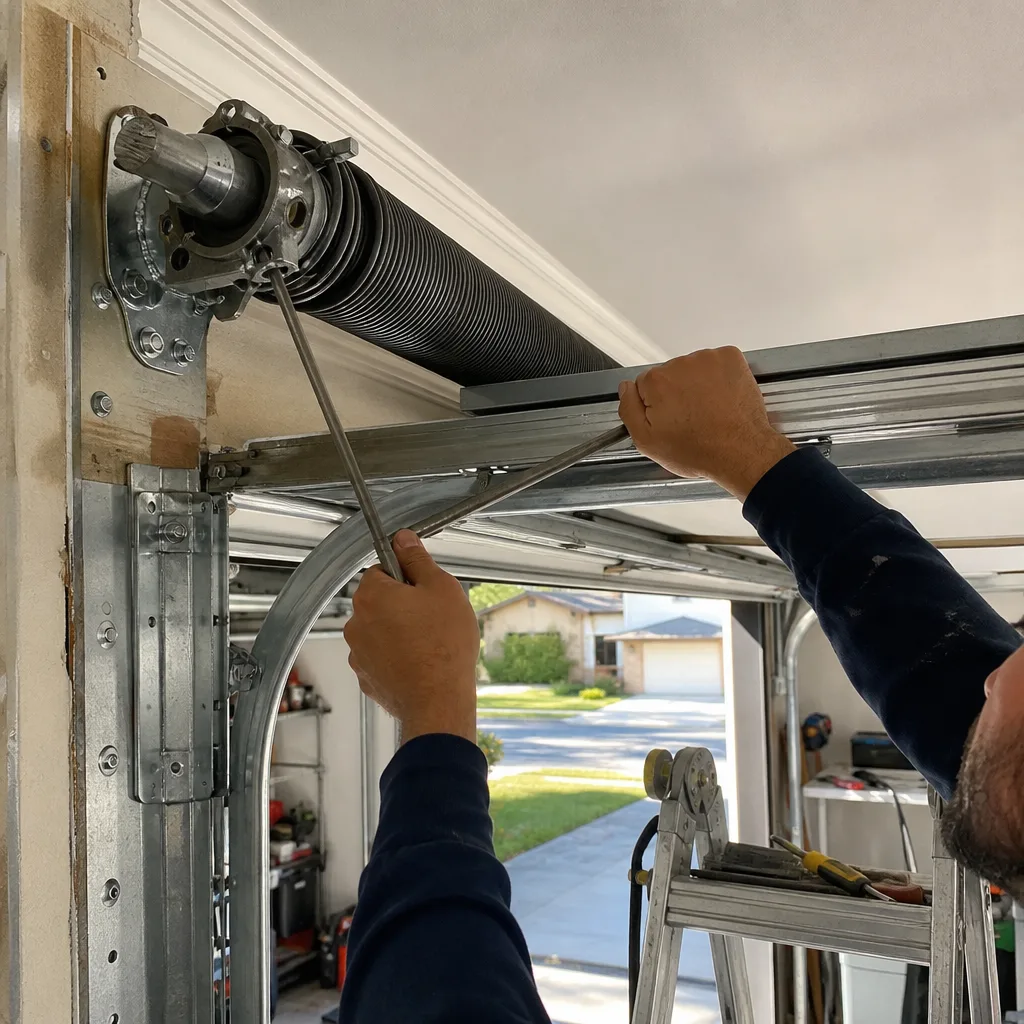
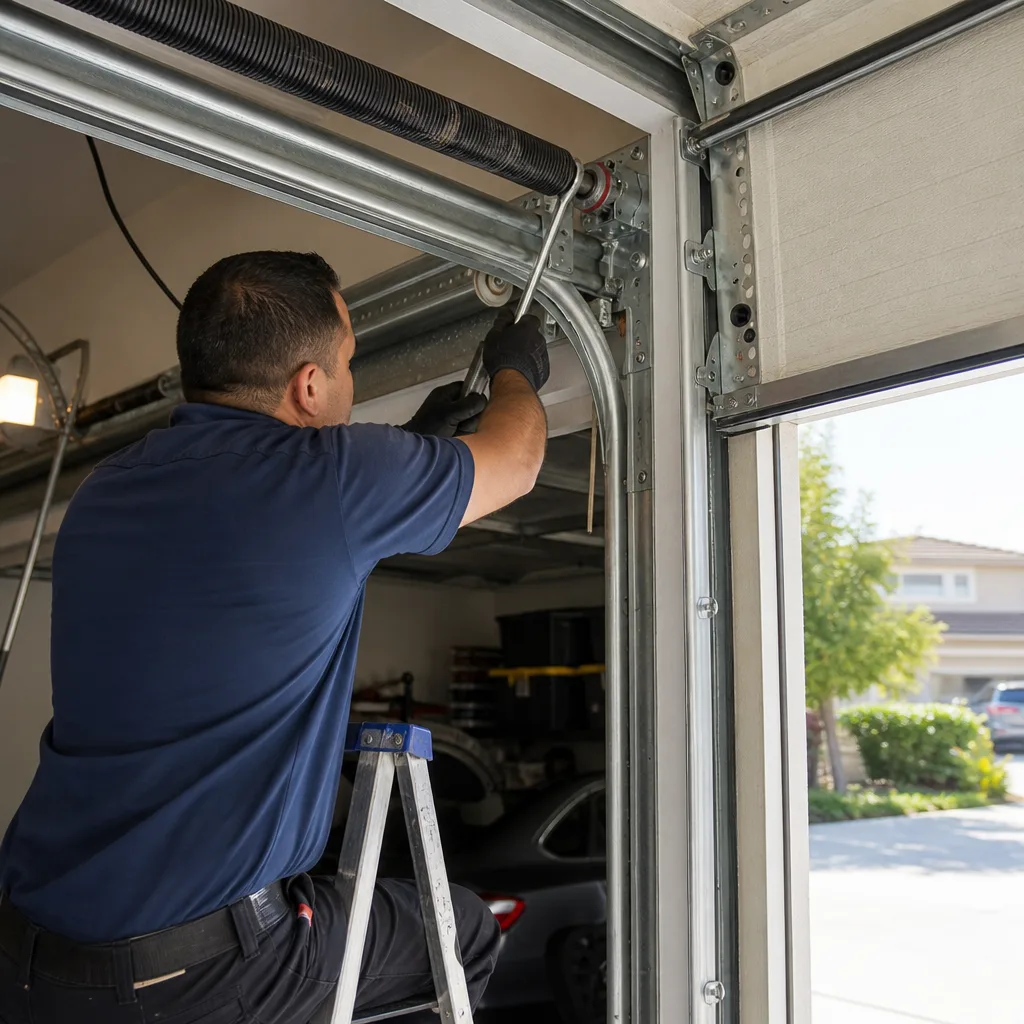
Never touch a torsion spring or its winding cones. The stored energy can cause serious injury or death. Leave spring adjustment and replacement to a trained professional with the proper winding bars and safety equipment. What you can do safely is observe and listen.
Perform this visual and auditory inspection every six months:
- Disconnect the opener by pulling the red emergency release cord. The door should now move manually.
- Raise the door halfway and release it slowly. A properly balanced door will stay in place or drift less than six inches. If it drops hard or shoots upward, the spring tension has drifted.
- Look for a gap in the coil body. Any visible separation between coils means the spring has begun to fail and will break completely, usually within 50 to 200 cycles.
- Listen during manual operation. A rhythmic squeak or grinding from the spring tube indicates dry bearings or spring coil friction.
- Check the stationary and winding cones for rust streaks or orange dust, especially where the spring mounts to the header. Mission Viejo’s low humidity reduces rust compared to coastal communities, but condensation from temperature swings still occurs in unventilated garages.
In our experience across Mission Viejo neighborhoods from Pacific Hills to Casta del Sol, spring failures spike in October and March. These months follow the most extreme temperature swings. If your inspection reveals any gap, imbalance, or rust dust, the spring is no longer a maintenance item. It is a replacement item. Garage Door Repair in Mission Viejo should be scheduled before the break strands your vehicle inside.
Roller Wear: What Mission Viejo Dust Does to Your Door
The concrete pads and exposed soil around many Mission Viejo homes generate fine dust that settles into roller stems and bearings. Unlike freeze-thaw climates where moisture is the enemy, our problem is particulate infiltration. Steel rollers without sealed bearings grind this dust into a polishing compound that accelerates stem wear. Nylon rollers with sealed bearings last longer but still degrade when the seal itself hardens from UV exposure.
Inspect rollers every six months during your spring check:
- Wiggle each roller side-to-side in its track slot. Excess play means the stem has worn or the bearing has loosened.
- Spin the roller by hand. It should turn freely and quietly. A gritty feel or clicking indicates bearing contamination.
- Look for flat spots on steel rollers or cracking on nylon wheels. Either condition causes the door to shudder during travel.
- Count your rollers: a standard 16-foot door has ten. Note how many show wear so you can request a batch replacement rather than paying for individual service calls.
Most Mission Viejo homes built between 1970 and 1995 still have original steel rollers. If yours are unsealed steel, upgrading to sealed nylon rollers during your next professional service typically reduces operating noise by 40 percent and extends the maintenance interval to annual rather than quarterly. We carry both standard and heavy-duty roller sets on our trucks for same-day replacement.
Track Alignment and Fastener Checks
Vertical and horizontal tracks guide the door but do not bear its weight, a distinction many homeowners misunderstand. The tracks are reference surfaces, not load-bearing members. When they go out of alignment, the rollers bind, the opener strains, and the door wears unevenly.
Track issues in Mission Viejo typically stem from three causes: fastener loosening from vibration, impact damage from vehicles or equipment, and foundation settling on hillside lots common in areas like Mission Ridge. The third cause is structural and cannot be fixed by track adjustment alone.
Perform this inspection quarterly:
- Visually sight down the vertical track from bottom to top. It should plumb straight with no bow inward or outward. A crooked track will show uneven roller contact, shiny wear marks on one side only.
- Check every lag bolt and bracket fastener with a wrench. Do not over-tighten; snug is sufficient. Loose fasteners allow track movement that compounds over time.
- Verify the track-to-jamb bracket spacing. Standard residential doors use a half-inch to three-quarter-inch gap. Wider gaps mean the track has shifted or the bracket has bent.
- Look for dents, creases, or impact damage on the track face. Even a small dent can stop a roller cold.
Never attempt to bend track back into shape with a hammer or pry bar. The metal work-hardens and will crack. Proper track repair requires section replacement or, in severe cases, a complete track system. Garage Door Installation in Mission Viejo includes new track hardware when a full replacement is the more economical path.
Cable Fraying and Drum Inspection
Lifting cables wrap around drums at each end of the torsion tube and attach to the bottom brackets of the door. They are under constant tension, typically 100 to 150 pounds per cable, and they fatigue from the repeated bending around the drum grooves.
Cable inspection is visual only. Do not handle cables under tension.
- Examine the full cable length for broken strands, which appear as whiskers protruding from the cable braid. More than three broken strands in a six-inch section means replacement is due.
- Check where the cable wraps the drum. Uneven winding indicates a failing drum or improper cable seating. The cable should stack neatly in the grooves, not overlap or gap.
- Look at the bottom bracket attachment point. Rust or corrosion here weakens the cable terminal. Mission Viejo’s dry climate helps, but garage floor moisture from washing vehicles or irrigation overspray still reaches this low point.
- Listen during door travel. A rhythmic thump often signals a cable jumping its drum groove.
Cable replacement must be performed with the door fully lowered and properly supported, and the spring tension either released or counterbalanced. This is not a homeowner procedure. A snapping cable under load can cause severe laceration or hand injury. If your inspection reveals any fraying, rust, or winding irregularity, schedule professional service.
Opener Hardware, Safety Sensors, and Force Settings
The opener does not lift the door. The springs do. The opener provides the motive force to start and guide the door’s travel, plus the safety systems that reverse it when obstruction is detected. Understanding this distinction prevents the common error of replacing an opener when the real problem is spring fatigue or track binding. Learn to spot problems early with our Garage Door Warning Signs: A Mission Viejo Homeowner’s Reference Guide.
Modern openers from LiftMaster, Chamberlain, Genie, and other major brands share common maintenance needs. We service all of these regularly in Mission Viejo homes.
Safety sensor test (monthly):
- Close the door using the wall button or remote.
- Place a solid object, such as a scrap 2×4, in the door path.
- The door must reverse within two seconds of contact, or immediately if the object breaks the sensor beam before physical contact.
- If the door does not reverse, clean the sensor lenses with a dry cloth and verify alignment. The LED indicators on most units glow steady when aligned and blink when interrupted.
Force setting verification (every six months):
Opener force settings control how hard the motor pushes before deciding the door is obstructed. These drift over time due to component wear and temperature effects on lubricant viscosity. Test by grasping the bottom of the door mid-travel and applying moderate resistance. The door should reverse. If it continues with noticeable force, the setting is too high and poses a crushing hazard. If it reverses from light touch, the setting is too low and will cause nuisance reversals on cold mornings.
Chain or belt tension:
Sagging more than one inch below the rail midpoint means adjustment is needed. Excess sag accelerates sprocket wear and causes jerky starts. Over-tensioning strains the motor bearings. The specification varies by manufacturer; consult your manual or a technician familiar with your specific model. Garage Door Opener in Mission Viejo service includes force calibration and drive system adjustment.
Finally, test the emergency release. It should pull smoothly and allow full manual operation. If it sticks, the mechanism needs lubrication or the release cord has twisted around the trolley.
Bottom Seal and Weatherstripping in High-UV Climates
South Orange County’s sun exposure is the primary driver of seal degradation. A bottom seal that might last five years in Portland will harden and crack in two to three years here. The UV index in Mission Viejo averages 6 to 8 year-round, with summer peaks above 10. Rubber compounds oxidize, lose flexibility, and develop permanent compression set.
The consequences extend beyond drafts. A failed seal allows:
- Mouse and insect entry, particularly from the hillside and canyon edges near Oso Parkway and Alicia Parkway corridors
- Garage temperature swings that stress stored items and adjacent living space
- Water intrusion during rare but intense rain events, when water sheets across concrete pads
- Dust accumulation that accelerates roller and track wear, feeding the cycle described earlier
Inspect seals every six months, and replace proactively rather than waiting for visible failure:
- Close the door and examine the bottom seal from inside. Light visible underneath means compression has failed. A seal should fill the gap completely, even on slightly uneven slabs.
- Pinch the seal material between thumb and forefinger. It should feel resilient and return to shape. If it cracks, flakes, or stays compressed, replacement is due.
- Check the seal retainer, the aluminum or PVC channel that holds the seal. UV also degrades plastic retainers, causing them to become brittle and snap during seal replacement.
- Inspect perimeter weatherstripping on the door jambs and header. This is often overlooked. Hardened or gap-separating jamb seal allows wind-driven rain and dust past the door edges.
For Mission Viejo’s climate, we specify EPDM rubber or advanced TPE (thermoplastic elastomer) seals rather than basic PVC. The material cost difference is modest, but the service life doubles. When we replace a seal, we also verify the door’s closing force is sufficient to achieve proper compression without overloading the opener.
What to Lubricate, What to Leave Alone, and What Product to Use
Proper lubrication reduces friction, noise, and wear. Improper lubrication attracts dust, hardens in heat, or creates slip hazards. The distinction matters.
Lubricate every three months:
- Hinge pivot points. Use a silicone-based spray lubricant or white lithium grease. Apply sparingly; excess drips onto vehicles and flooring.
- Roller bearings, if accessible. Sealed nylon rollers do not need lubrication of the bearing itself, but the stem-to-hinge contact point benefits from light application.
- Lock mechanism and handle, if present. Many Mission Viejo homeowners have disconnected manual locks in favor of automatic opener security; if yours is functional, keep it working.
- Emergency release mechanism and trolley rail. A thin film on the rail reduces trolley drag.
Lubricate annually:
- Torsion spring body. A light coating reduces coil friction and quiets operation. Do not spray the winding cones or bearings; these require specific greases applied during professional service.
- Bearing plates at each end of the torsion tube. These support the full spring torque and wear gradually.
Never lubricate:
- The track interior. Rollers need traction, not slip. Oiled tracks collect dust and cause roller slippage.
- The brake or clutch surfaces on any manual locking mechanism.
- Any electrical component, including safety sensor lenses and circuit boards.
Product selection for our climate:
Avoid heavy petroleum greases. They thin in summer heat and sling onto the door finish. They also harden in cold, though Mission Viejo’s mild winters make this less critical than in mountain or desert communities. We recommend silicone-based sprays with Teflon additive for hinges and rollers, and a light machine oil for springs. Apply after cleaning the surface with a dry cloth to remove dust.
If your garage faces afternoon sun and regularly exceeds 90 degrees inside, step up inspection frequency to every two months during July through September. Heat accelerates grease breakdown and increases metal expansion rates.
The Maintenance Log That Saves Money on Every Future Visit
A simple written record transforms vague complaints into targeted repairs. When you call any technician with “it’s making a noise,” the first twenty minutes goes to diagnosis. With a log, you hand over facts.
Keep a notebook or digital note with this format:
| Date | Component Checked | Finding | Action Taken | Next Check Due |
|---|---|---|---|---|
| Example: 3/15/2025 | Spring balance | Drops 8 inches from half-open | Scheduled professional adjustment | Post-service verification 4/15 |
| Example: 3/15/2025 | Bottom seal | Light visible, material hard | Replacement ordered | Install 4/1, then inspect 10/1 |
The specific value for Mission Viejo homeowners: our climate’s unique wear patterns mean a log from this environment is more predictive than generic manufacturer guidelines. A technician who sees “roller grittiness noted March and September, now severe” knows immediately to replace the full set and inspect track alignment, rather than testing each roller individually.
Include in your log:
- Door manufacturer and model, if known
- Opener brand, model, and approximate installation date
- Spring replacement date and wire size, if previously serviced
- Any impact events (backing into the door, wind damage, etc.)
- Photos of concerning findings, dated
When you call Mainspring with this information ready, we can often quote more precisely before arrival and ensure the correct parts are on the truck. Most jobs then finish in a single visit, which is how we prefer to work.
Common Mistakes to Avoid
- Using WD-40 as a lubricant. WD-40 is a solvent and water displacer, not a lubricant. It cleans effectively but leaves a residue that attracts dust and hardens. Use products formulated for garage door components.
- Ignoring the door after an opener upgrade. A new LiftMaster or Chamberlain opener on worn springs and gritty rollers will fail prematurely. The opener is only as reliable as the mechanical system it drives.
- Adjusting spring tension with makeshift tools. We have seen winding bars fabricated from screwdriver shafts and pipe wrenches. These slip, and the consequences are severe. Spring adjustment requires solid steel winding bars of the correct diameter, inserted fully and used with proper technique.
- Waiting for complete failure before calling. A broken spring strands your vehicle. A frayed cable can whip unpredictably. Proactive inspection prevents emergency situations and typically costs less than after-hours service.
- Neglecting the log between technicians. Homeowners who change service providers lose continuity. Your log maintains it, ensuring the next technician knows what was done and when.
- Assuming all garage doors are the same. A steel door in direct Mission Viejo sun expands differently than an insulated model in shade. A heavy wood door stresses springs faster than an aluminum equivalent. Maintenance intervals should adjust accordingly.
When to Call a Professional
Some maintenance is homeowner-appropriate: visual inspection, lubrication, safety sensor testing, and log-keeping. Other work requires training, tools, and an understanding of stored energy that comes from repeated practice.
Call a professional when your inspection reveals spring gaps or imbalance, cable fraying or unwinding, track damage or misalignment beyond fastener tightening, opener force settings that drift after adjustment, or any condition you are uncertain how to evaluate safely. Not sure who to trust? Read How to Hire a Garage Door Contractor in Mission Viejo: A Step-by-Step Guide. The 90-Day Done Right Promise from Mainspring Garage Door Co. covers every completed job: if the work is not right, we return at no charge, in writing, with no dispute process.
Mainspring Garage Door Co. offers free estimates in Mission Viejo. Call (562) 262-6410 to schedule. Our technicians arrive with springs, cables, rollers, and openers on the truck, and we state the flat price before any work begins.
Frequently Asked Questions
Inspect your garage door every six months, lubricate moving parts quarterly, and replace weatherstripping every two to three years due to our high UV exposure. Increase to every two months during peak summer heat if your garage faces afternoon sun. Call (562) 262-6410 if you find any concerning wear during your inspection.
No. Torsion springs store lethal energy and require specific winding bars and training. Visual inspection for gaps, rust, or balance issues is safe and valuable; physical adjustment is not. A spring showing any warning sign should be replaced by a professional before it breaks.
Use silicone-based spray with Teflon additive for hinges and rollers, and light machine oil for springs. Avoid heavy petroleum greases that thin in heat and attract dust. Never lubricate the track interior; rollers need controlled friction, not slip.
Disconnect the opener and raise the door halfway. A balanced door stays in place or drifts less than six inches. If it drops hard or rises on its own, spring tension has drifted and needs professional correction. This test takes thirty seconds and reveals more than most homeowners realize.
Heat thins lubricant, expands metal components, and increases opener motor load. In Mission Viejo, July through September temperatures in unventilated garages routinely exceed 95 degrees. Step up lubrication frequency during these months and verify your door is not binding due to thermal expansion.
Yes. Mainspring technicians are factory-familiar with all major brands including Craftsman, Raynor, LiftMaster, and Chamberlain. We carry common parts for these manufacturers on our trucks and can source specialized components when needed. Most repairs complete in a single visit.
The Bottom Line
A garage door in Mission Viejo faces UV degradation, thermal cycling, and dust infiltration that generic maintenance advice does not address. Inspect springs visually every six months without touching them, lubricate quarterly with climate-appropriate products, replace seals proactively before they harden, and keep a log that turns guesswork into targeted repair. The homeowners who avoid emergency calls are the ones who treat maintenance as scheduled, not reactive. When a finding exceeds your comfort level, professional service is the practical choice.
Written by Carl Dutton, Owner at Mainspring Garage Door Co., serving Mission Viejo since 2016.