
Last updated September 10, 2026
Full 25-point door and opener safety check with every visit - springs, cables, rollers, tracks, and your LiftMaster or Chamberlain opener included
You get a price before we start. It does not change when the truck arrives.
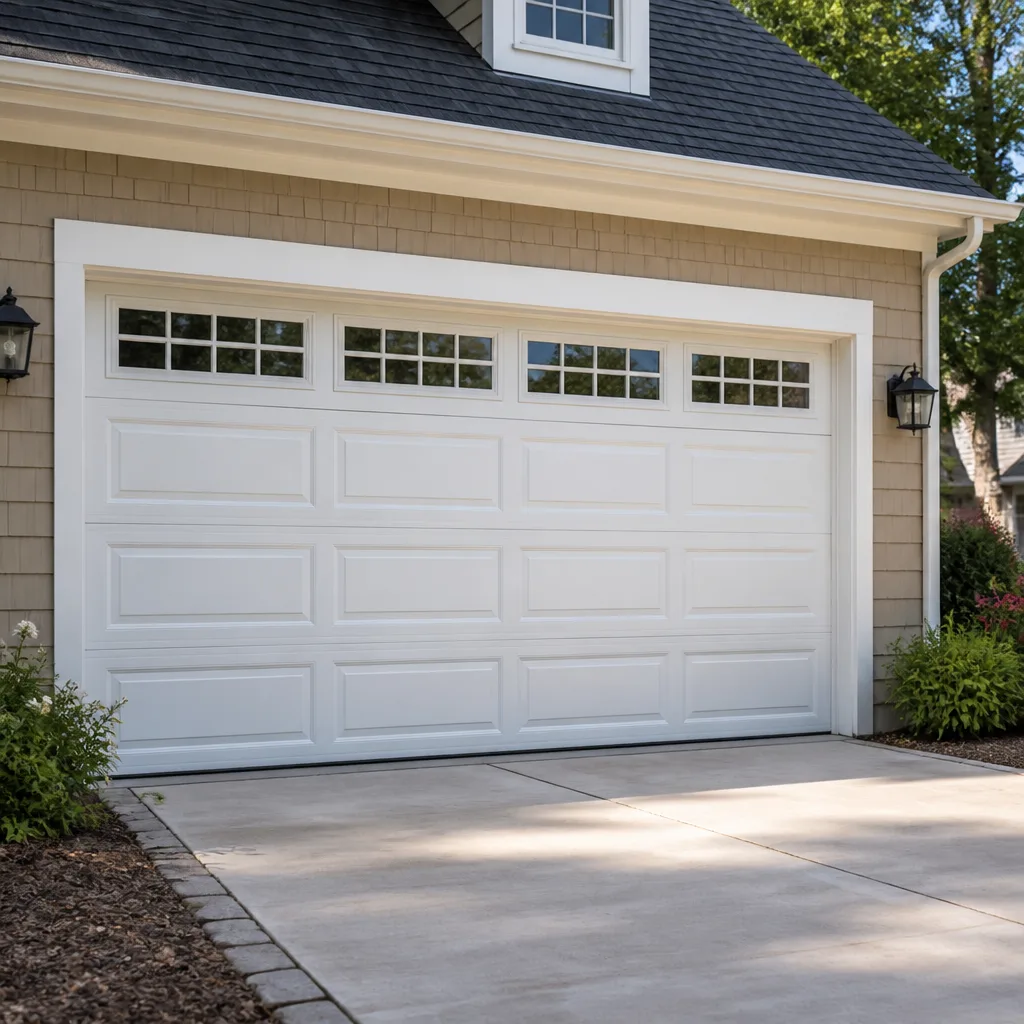
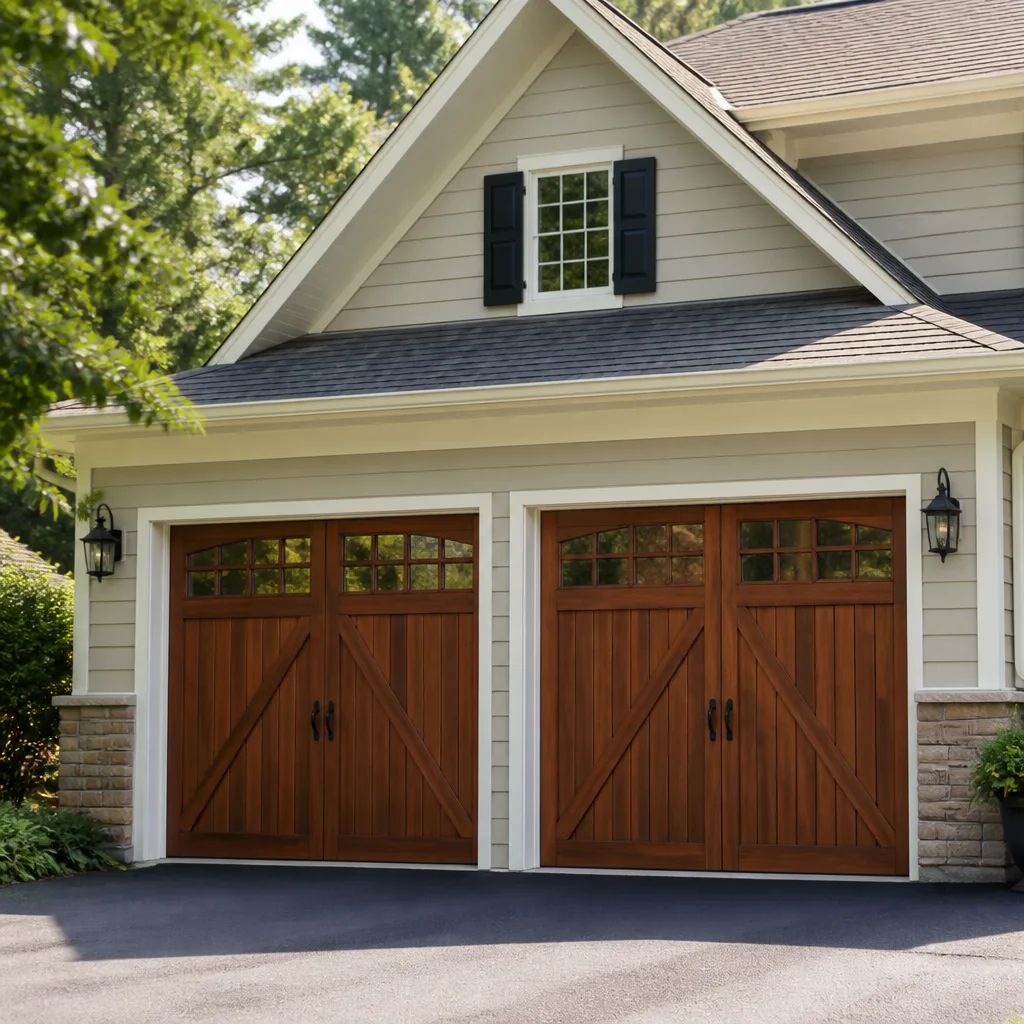
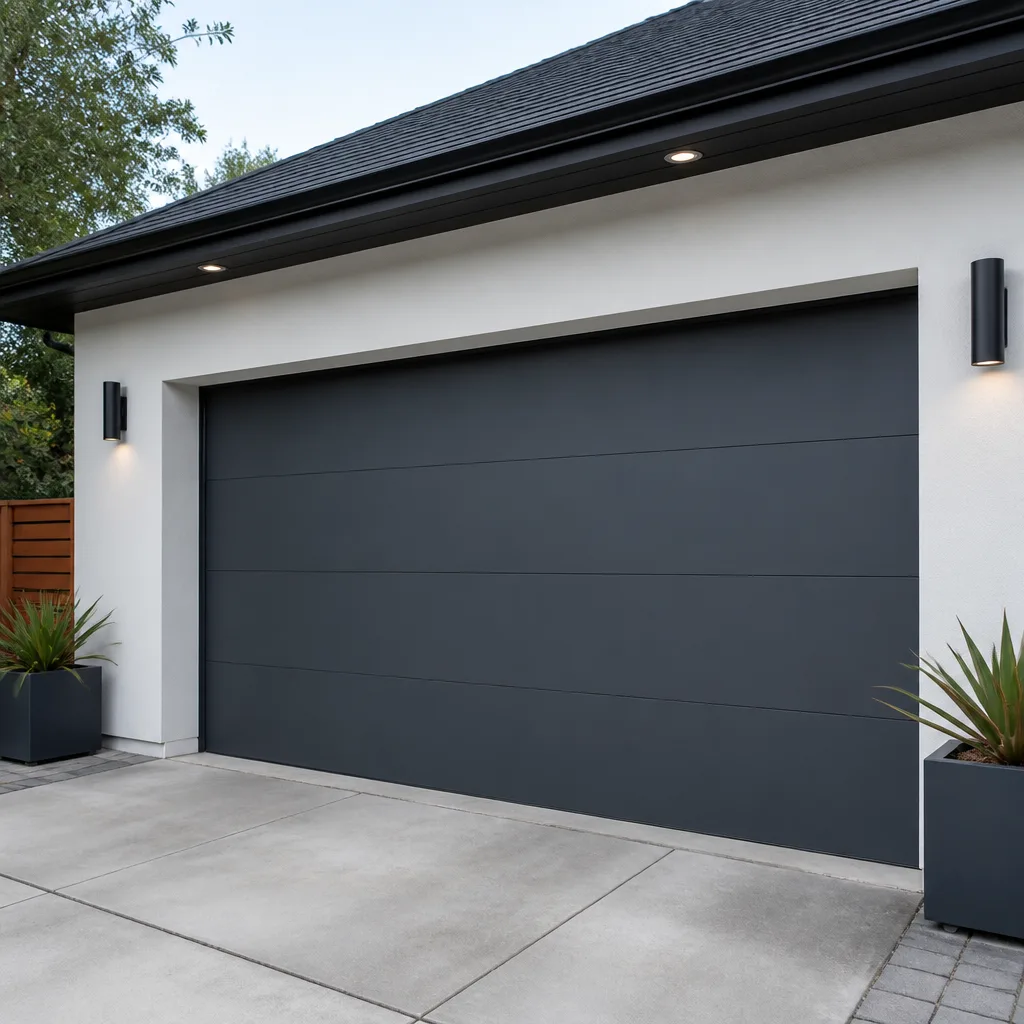
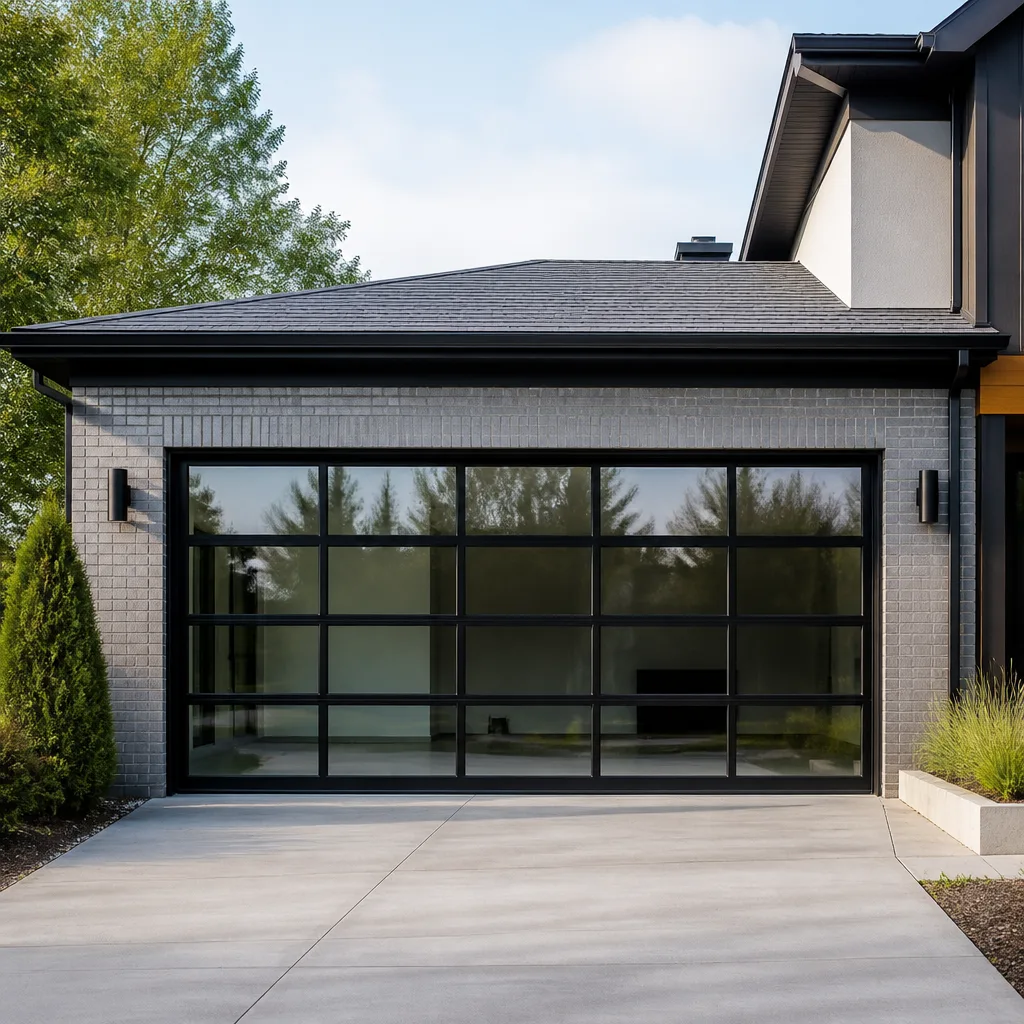
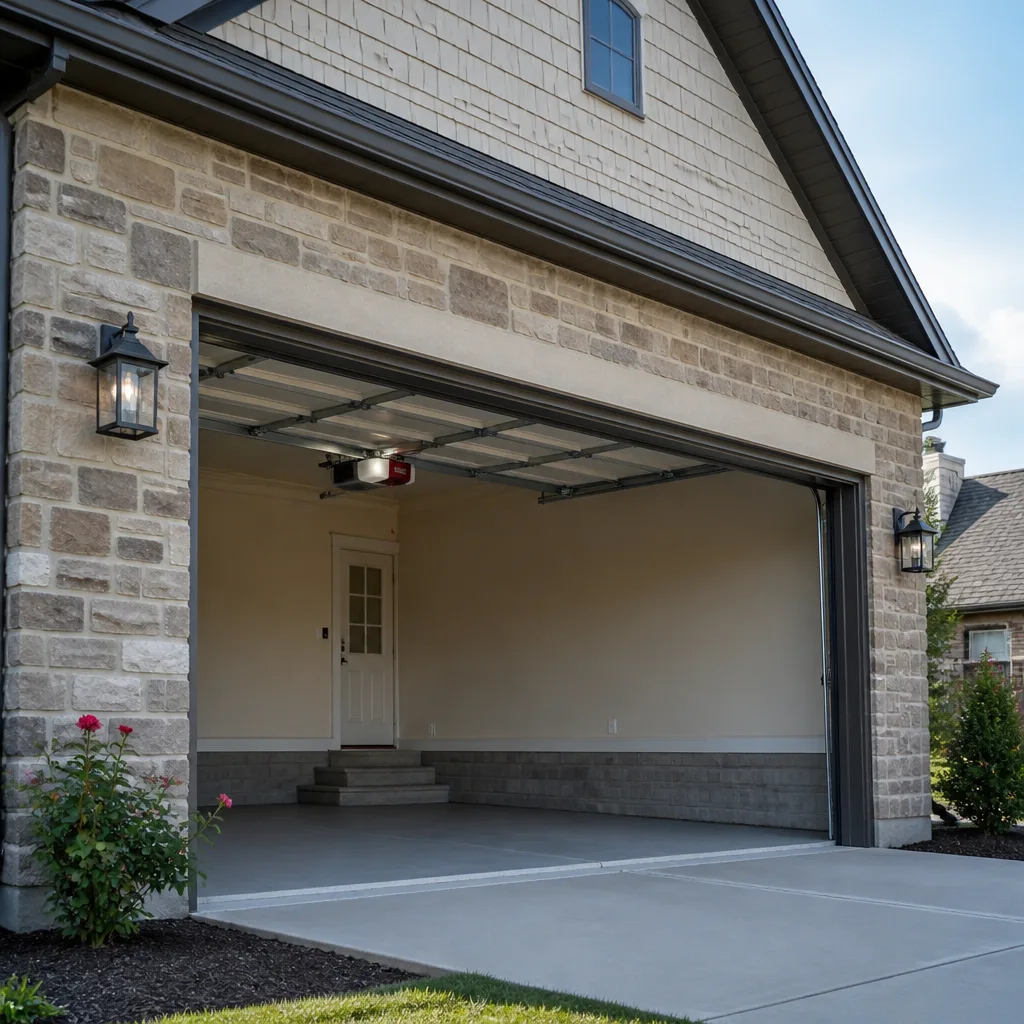
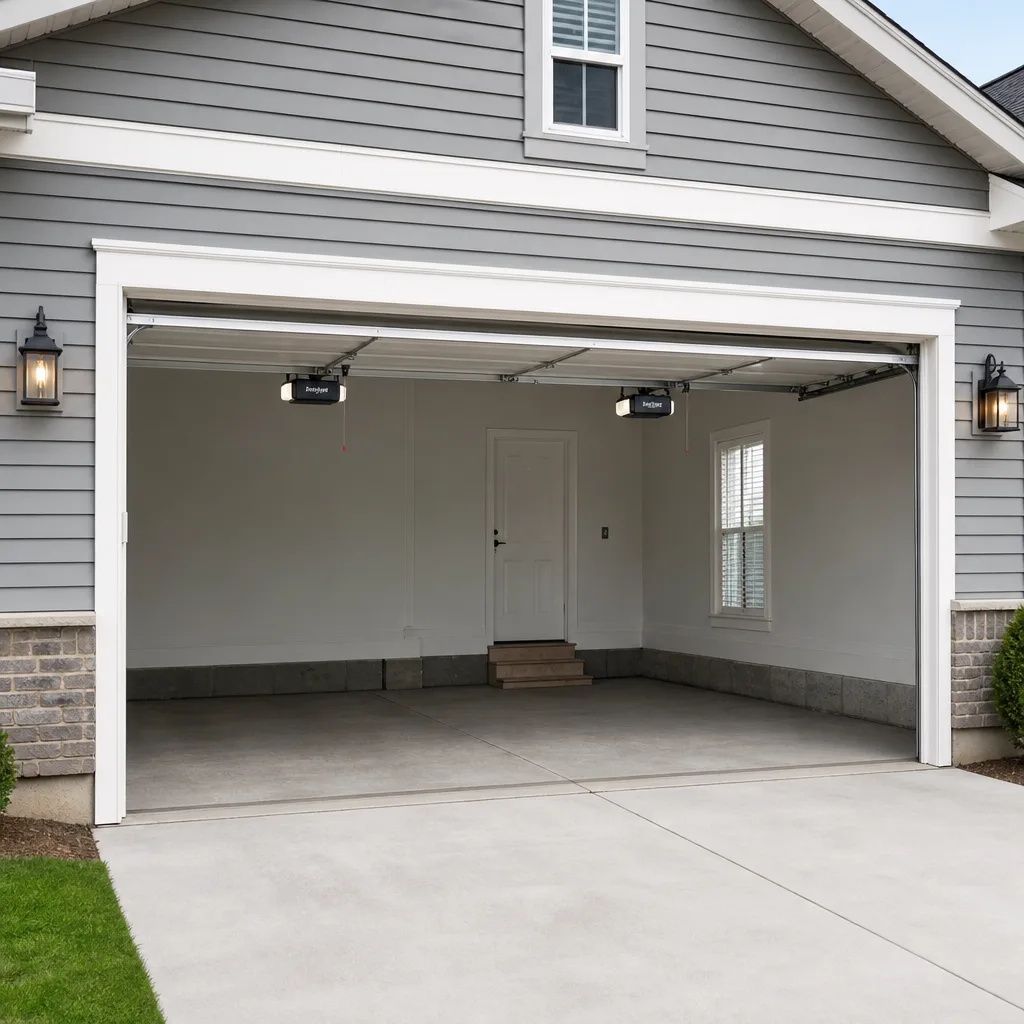
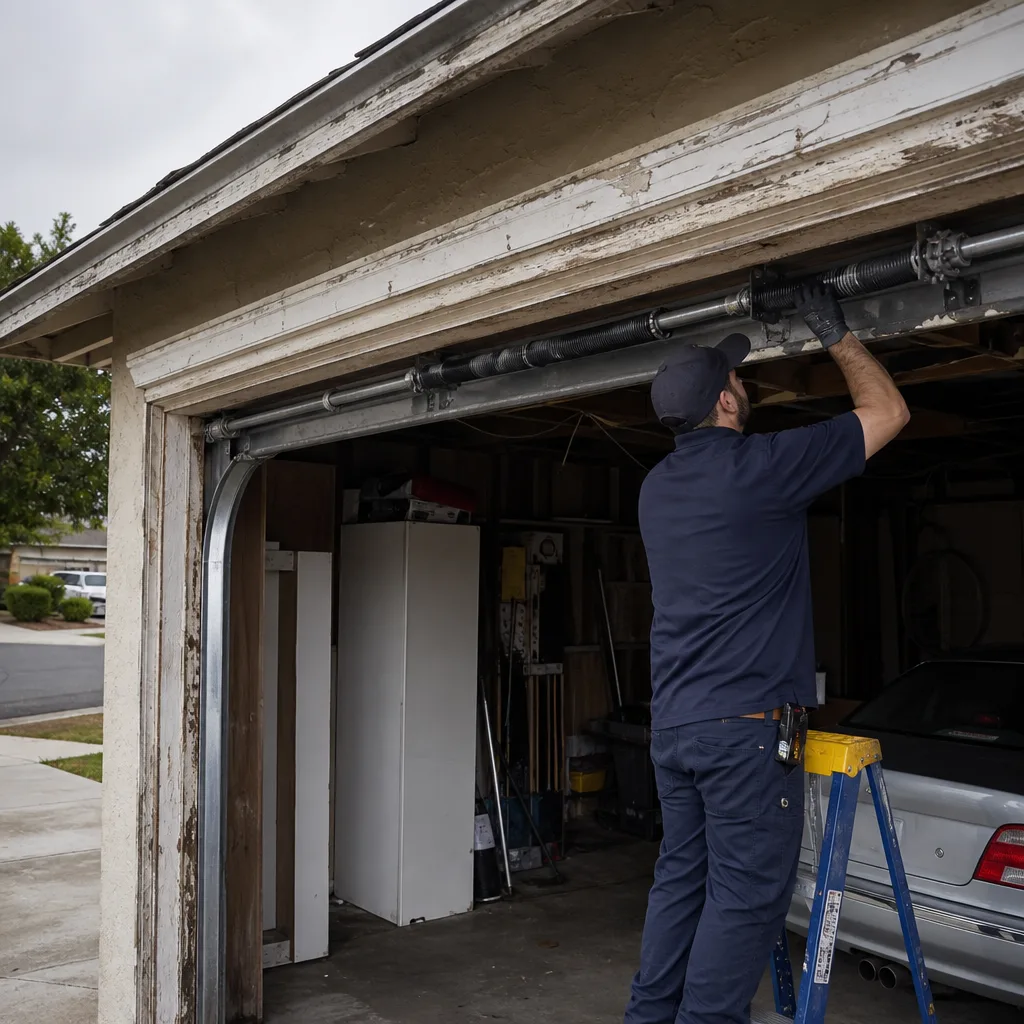 Before
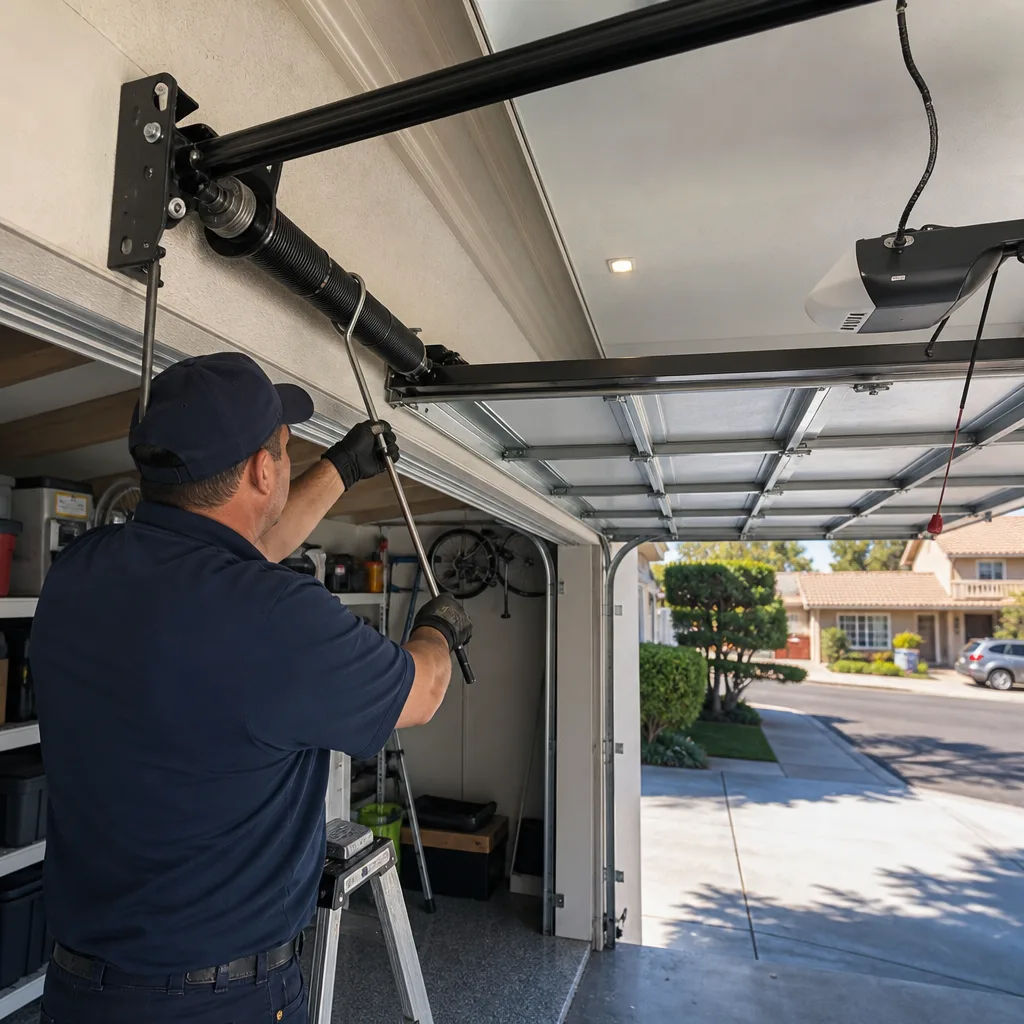 After
After Before
 After
After Before
 After
AfterGarage Door Permits, Codes & Inspections in CA: What You Need to Know
A garage door replacement is one of the most common unpermitted jobs in California real estate, and one of the few that can surface as a defect on a disclosure form years after the work is done. In Mission Viejo, we’ve been called to homes where a simple door swap done without paperwork became a $400 re-inspection and a two-week escrow delay. Most homeowners assume permits are only for new construction. Most contractors would rather not mention them. The truth sits in a narrow middle ground: California law exempts many garage door projects from permitting, but the exceptions carry real weight when they apply. This guide draws the precise line between what requires a permit and what doesn’t, what Title 24 energy rules mean for your attached garage, and how unpermitted work can complicate a home sale in Orange County. For related reading, see our Garage Door Warning Signs: A Mission Viejo Homeowner’s Reference Guide.
Quick Answer
In California, a like-for-like garage door replacement (same size, same type, no structural changes) typically does not require a permit. You need a permit when the project involves structural wall modifications, new electrical circuits for an opener, or changes to the door’s dimensions or wind-load rating. In Mission Viejo, permit fees for garage door projects range from $180 to $450 depending on scope, and inspections are scheduled through the City’s building department with 2-5 business day turnaround.
Table of Contents
- When Is a Garage Door Permit Required in California?
- The Like-for-Like Replacement Exemption
- Garage Door Opener Electrical Permits
- Title 24 Energy Compliance and Insulated Doors
- The Mission Viejo Permit Process: Step by Step
- What Happens When Unpermitted Work Surfaces at Sale
- Common Mistakes to Avoid
- When to Call a Professional
- Frequently Asked Questions
- The Bottom Line
When Is a Garage Door Permit Required in California?
California Building Code Section 105.2 lists specific exemptions from permitting, and garage door replacements appear in that list under certain conditions. The threshold is not the dollar value of the door. It is the nature of the work itself.
You need a building permit in California when your garage door project includes any of the following:
- Changing the rough opening width or height, which affects structural framing and header loads
- Converting from a one-piece tilt-up door to a sectional roll-up door, or vice versa, which alters track mounting and spring torque on the frame
- Installing a new door in a wall where no door existed previously
- Modifying or removing a structural support, including king studs, jack studs, or the header above the opening
- Changing the wind-load rating or impact resistance rating, which matters in high-wind zones and may affect insurance compliance
- Adding or extending electrical circuits to power a new opener, outlet, or lighting
The California Residential Code, as adopted and amended by Orange County jurisdictions, treats the garage door opening as a structural element because the header above it carries roof and second-floor loads. In Mission Viejo’s hillside neighborhoods, particularly in areas like Pacific Hills and Canyon Crest, some garage openings are engineered with reinforced headers to handle slope conditions. Altering these without engineering review violates the amended code.
What does not require a permit: removing an existing sectional door and installing a new sectional door of identical dimensions, using the existing tracks and opener electrical supply. This is the core exemption most homeowners use.
We have seen confusion arise when a homeowner in Mission Viejo’s Madrid Del Lago area wanted to widen a standard 16-foot opening to accommodate an RV. The contractor quoted the door and installation but never mentioned the permit. The homeowner discovered the requirement only when a neighbor reported the framing work. The project paused for three weeks for plan review. The right sequence: permit first, then order the door.
The Like-for-Like Replacement Exemption
The “like-for-like” exemption is the most misunderstood provision in California garage door permitting. It sounds simple. It is not always simple in practice.
For a replacement to qualify as exempt under CBC 105.2, all of these conditions must hold:
- The new door fits the existing rough opening without structural modification
- The door type remains the same (sectional for sectional, roll-up for roll-up)
- The track system mounts to existing supports without new anchorage into the wall framing
- No new electrical work is required beyond plugging into an existing outlet
- The door does not change the fire-resistance rating of any separating wall between garage and living space
The last point trips people up. In California, garage walls shared with living spaces must maintain a one-hour fire-resistance rating. Some older garage doors in Mission Viejo’s 1970s and 1980s neighborhoods, particularly in areas like Granada and Felipe Road corridor, have wood panels or thin steel without fire-rated cores. Replacing these with a modern insulated door is generally fine. But installing a non-rated door in a rated opening, or removing a fire-rated door without replacing the rating, can violate the code even if dimensions stay identical.
Another subtlety: the exemption applies to the building permit, not necessarily to homeowners association approval. In Mission Viejo’s planned communities, architectural review committees often require pre-approval for door style, color, and window placement. The city permit office does not enforce HOA rules, but the HOA can enforce its own. We recommend checking both before ordering.
Brand selection can matter for compliance. A Clopay Gallery Collection door with standard hardware will fit most existing track layouts. An Amarr Classica with heavier overlay panels may require sturdier backhangs or a different jamb condition. We measure every opening and compare it to the manufacturer’s rough-opening requirements before quoting. This prevents the “it almost fits” problem that leads to framing modifications and permit triggers.
Garage Door Opener Electrical Permits
Opener installation occupies its own permit category. In California, replacing an existing opener with a new unit that plugs into the same outlet and uses the same ceiling support bracket typically does not require an electrical permit. The work is classified as appliance replacement.
You need an electrical permit when the project involves:
- Running a new dedicated circuit from the electrical panel to the garage
- Adding or relocating outlets, including GFCI outlets required within six feet of the sink in a garage utility area
- Upgrading from a standard 120V opener to a 240V commercial-duty unit
- Installing hardwired wall controls or safety sensors that require new low-voltage wiring through walls
- Any work in the electrical panel, including new breakers
The inspection for permitted electrical work focuses on three elements: proper grounding and bonding, GFCI protection for all garage outlets, and compliance with the 2019 NEC Article 210.8(A) requirements as adopted by California. The inspector will verify that the opener’s electrical supply is on a dedicated or properly shared circuit with adequate amperage, that all metal parts are bonded, and that any new wiring is properly stapled and protected.
In Mission Viejo, electrical permits for garage opener work are issued by the City’s building department as part of a combined permit if structural work is also involved, or as a standalone electrical permit if only the opener circuit is affected. Standalone electrical permits carry lower fees, typically $85-$140, and inspection is usually a single visit.
We carry garage door opener units from LiftMaster, Chamberlain, and Genie on our trucks, and our technicians are trained to assess the existing electrical supply before installation. If the home’s garage lacks a grounded outlet or the panel is full, we flag it during the free estimate and recommend a licensed electrician for the permit work. We do not perform electrical panel work ourselves. We coordinate with electricians we trust so the project moves without delays.
Title 24 Energy Compliance and Insulated Doors
Title 24 of the California Code of Regulations sets energy efficiency standards for residential construction. For garage doors, the relevant provision applies to attached garages in climate zones where heating and cooling loads transfer between the garage and conditioned living space.
Mission Viejo sits in California Climate Zone 8, a mixed-dry zone with significant cooling demand in summer and occasional heating need in winter. An attached garage with a poorly insulated door acts as a thermal buffer that works against your HVAC system. Title 24 addresses this through requirements for the garage envelope when the garage shares a wall or ceiling with conditioned space.
The specific requirement: garage doors in attached garages must meet a minimum U-factor or have an equivalent R-value that limits heat transfer. As of the 2022 Title 24 standards, this translates to:
- Doors with no glazing: minimum effective R-value of R-10 or U-factor of 0.10
- Doors with glazing: more stringent U-factor requirements based on glazing percentage
Most quality insulated steel doors from major manufacturers meet this standard. A Clopay Intellicore door with 2-inch thick polyurethane foam typically achieves R-18. An Amarr Stratford with polystyrene insulation rates around R-10. The key document is the manufacturer’s NFRC label or a Certificate of Compliance (CF-1R) generated by approved compliance software.
Where this becomes a permit issue: if your garage door replacement is part of a larger project that triggers Title 24 compliance documentation, such as a whole-house energy upgrade, an HVAC replacement, or a room addition, the door must be documented in the energy compliance calculations. The building department will ask for the door’s U-factor or R-value during plan check. Installing a non-compliant door in this context can cause a failed inspection even if the door itself is exempt from standalone permitting.
For standalone like-for-like replacements, Title 24 documentation is not typically required. But we recommend choosing a compliant door regardless. See our Garage Door Repair Maintenance Checklist for Mission Viejo Homeowners for seasonal upkeep guidance. In Mission Viejo’s summer heat, an uninsulated steel door can reach surface temperatures above 140 degrees, radiating that heat into the garage and any adjacent rooms. The energy cost is real, even if the permit office does not enforce it.
We document the U-factor and R-value of every door we quote, and we can provide the manufacturer’s specification sheet for your records. If your project requires HERS verification or a CF-1R, we coordinate with your energy consultant to ensure the door data is correct.
The Mission Viejo Permit Process: Step by Step
The City of Mission Viejo Building and Safety Division processes permits at the Civic Center on Civic Center Drive. For garage door projects that require permitting, the process follows a predictable sequence.
Step 1: Determine Permit Type
Contact the building department at (562) 262-6410 or use the online permit portal to confirm whether your project needs a building permit, an electrical permit, or both. Describe the work precisely: door dimensions, type, whether the rough opening changes, and whether new electrical work is involved.
Step 2: Prepare Submittals
For a building permit involving structural changes, you will need:
- A site plan showing the garage location on the property
- A floor plan showing the door location and dimensions
- Elevations or manufacturer cut sheets for the proposed door
- Structural calculations if the header or framing changes, prepared by a California-licensed engineer or architect
- Title 24 documentation if the project triggers energy compliance
For electrical permits, a licensed electrician typically prepares the load calculations and panel schedule.
Step 3: Submit and Pay Fees
Mission Viejo accepts online submission through the Citizen Self Service portal or in-person drop-off. Fees for garage door building permits typically range from $180 for simple replacements with minor framing to $450 for projects requiring structural review and multiple inspections. Electrical permit fees are additional. The fee schedule is published on the city’s website and updated annually.
Step 4: Plan Review
Standard plan review takes 5-10 business days for residential projects not requiring engineering. Complex projects or those in hillside zones may take 15-20 business days. The city offers a 48-hour express review for an additional fee if timing is critical.
Step 5: Issuance and Scheduling Inspections
Once approved, the permit must be posted on-site before work begins. Mission Viejo requires inspections at rough framing (if structural) and final completion. Electrical work requires a separate rough and final electrical inspection. Inspections are scheduled online or by phone, typically with next-day or two-day availability.
Step 6: Final Approval and Recordation
After passing final inspection, the city issues a Certificate of Completion or records the permit as closed. This document is what future buyers and title companies will look for. Keep it with your home records permanently.
In our experience, the most common delay in Mission Viejo comes from incomplete submittals, particularly missing manufacturer specifications for the door’s wind-load rating. We provide these documents to our customers as part of our installation package when permits are required.
What Happens When Unpermitted Work Surfaces at Sale
This is where the abstract question of permitting meets concrete consequence. In California, the Transfer Disclosure Statement (TDS) and Seller Property Questionnaire (SPQ) require sellers to disclose alterations, additions, and structural modifications made without permits. A garage door replacement with structural or electrical changes falls squarely in this category if unpermitted.
The disclosure obligation is not hypothetical. California courts have upheld claims for nondisclosure of unpermitted work where the defect was material to the buyer’s decision. A material defect is one that affects the value or desirability of the property. An unpermitted structural modification that could affect the building’s safety or insurability qualifies.
What actually happens in Mission Viejo escrow:
- The seller discloses unpermitted garage door work on the TDS, or the buyer’s inspector discovers evidence of recent framing or electrical changes without permit stickers
- The buyer’s lender or insurer requests proof of permit compliance, particularly for FHA or VA loans with stricter property condition requirements
- If no permit exists, the parties negotiate: the seller may obtain a retroactive permit, provide a credit, or accept a price reduction
- Retroactive permitting in Mission Viejo requires opening the wall for inspection, paying double fees in some cases, and potentially correcting work that does not meet current code
- If the parties cannot agree, the sale may fall through or be delayed
The cost of retroactive permitting often exceeds the original permit cost by a factor of two or three. In one Mission Viejo case we know of, a homeowner who widened a garage door opening without a permit faced $1,200 in city fees, engineering costs, and drywall repair to bring the work into compliance for a 2023 sale. The original permit would have cost $220.
Title insurance does not cover unpermitted work. Homeowner’s insurance may deny claims related to unpermitted electrical or structural modifications. The risk sits with the homeowner until it is resolved.
Our position at Mainspring Garage Door Co. is straightforward: we pull permits when they are required, we document when they are not, and we explain the difference to every customer before work begins. No surprises on the bill, and no surprises at closing.
Common Mistakes to Avoid
- Assuming all replacements are exempt. A door that is the same size but heavier, with a different track mounting pattern, may require structural reinforcement that triggers permitting. Always verify the manufacturer’s rough-opening requirements against your existing frame.
- Letting the contractor decide whether to permit. In California, the property owner is responsible for permit compliance, not the contractor. A contractor who says “we never pull permits for doors” is exposing you to liability. Get a second opinion.
- Ignoring HOA architectural review. Mission Viejo’s planned communities, including many neighborhoods along Marguerite Parkway and in the Lake Mission Viejo area, have design guidelines that restrict door style, color, and window placement. City permit approval does not override HOA disapproval.
- Installing a non-insulated door in an attached garage. Even when exempt from permitting, this violates Title 24 for new construction and is poor practice for existing homes. The energy penalty persists for the life of the door.
- Neglecting to request the Certificate of Completion. After final inspection, confirm the permit is formally closed in the city’s system. An open permit can flag in title searches even if the work passed inspection.
- Assuming old work is grandfathered. California does not grandfather unpermitted work simply because it was done years ago. At sale, the disclosure obligation applies regardless of when the work occurred.
- Failing to document exempt work. For like-for-like replacements, keep photos, receipts, and manufacturer specifications. If a future buyer questions whether the work was exempt, documentation resolves the question immediately.
When to Call a Professional
Call a qualified garage door contractor when your project involves any structural uncertainty, electrical work, or when you simply need a clear answer about permitting. Our How to Hire a Garage Door Contractor in Mission Viejo: A Step-by-Step Guide can help you evaluate your options. The cost of a professional assessment is negligible against the cost of a failed inspection, an escrow delay, or an insurance dispute.
In Mission Viejo, Mainspring Garage Door Co. offers free estimates that include a permit determination. We measure your opening, review your existing conditions, and tell you explicitly whether your project requires a building permit, an electrical permit, or neither. If permits are needed, we prepare the manufacturer specifications and coordinate with licensed engineers and electricians in our network. If not, we provide written documentation of the exemption for your records.
Our technicians arrive with the right parts on the truck, and most jobs are completed in a single visit. Browse our more guides & resources for additional home maintenance tips. Every job carries our 90-Day Done Right Promise in writing. Call (562) 262-6410 to schedule your free estimate.
Frequently Asked Questions
No, if the replacement is like-for-like: same dimensions, same door type, no structural changes, and no new electrical work. Yes, if you are changing the opening size, converting door types, modifying framing, or adding new electrical circuits. When in doubt, call the Mission Viejo Building Division at (562) 262-6410 or ask us during your free estimate.
Building permit fees for garage door projects typically range from $180 to $450 depending on scope and whether structural review is required. Standalone electrical permits for opener circuits run $85 to $140. The city publishes current fees online and accepts payment at permit issuance. Call (562) 262-6410 and we can help you determine the likely permit category for your project.
It can delay or complicate the sale if the work involved structural or electrical modifications that should have been permitted. California disclosure forms require sellers to report unpermitted alterations. Buyers, lenders, and insurers may demand proof of compliance. The safest path is to permit required work when it is done, or to obtain a retroactive permit before listing. Documentation of exempt work also protects you.
Not if it plugs into an existing grounded outlet and uses the existing support bracket. You need an electrical permit when the installation requires a new circuit, panel work, new outlets, or hardwired controls. In Mission Viejo, we assess your existing electrical supply during every opener estimate and tell you upfront if an electrician and permit will be needed.
Title 24 is California’s energy efficiency code. For garage doors, it requires minimum insulation levels in attached garages to reduce heat transfer to conditioned living spaces. Most modern insulated doors from Clopay, Amarr, and Wayne Dalton meet or exceed the R-10 effective requirement. Title 24 documentation is typically required only when the door is part of a larger permitted project with energy compliance calculations.
Standard plan review takes 5-10 business days for residential garage door projects. Express review is available for an additional fee with 48-hour turnaround. Inspections are usually available within 1-2 business days of scheduling. The total timeline from application to final approval is typically 2-4 weeks for straightforward projects, longer if structural engineering is required.
The Bottom Line
California’s garage door permit rules are narrower than most homeowners fear but more consequential than most contractors admit. A simple like-for-like replacement in Mission Viejo needs no permit and no inspection. Cross the line into structural, electrical, or dimensional changes, and the requirements become binding, with real costs at sale for those who ignore them. The key is knowing precisely where that line sits for your specific project, documenting your position, and never assuming that a contractor’s convenience equals your protection. At Mainspring Garage Door Co., we state the permit status upfront, price the work flat, and stand behind it in writing. That is how we have operated since 1984.
Written by Carl Dutton, Owner at Mainspring Garage Door Co., serving Mission Viejo since 2016.