
Last updated September 10, 2026
Full 25-point door and opener safety check with every visit - springs, cables, rollers, tracks, and your LiftMaster or Chamberlain opener included
You get a price before we start. It does not change when the truck arrives.
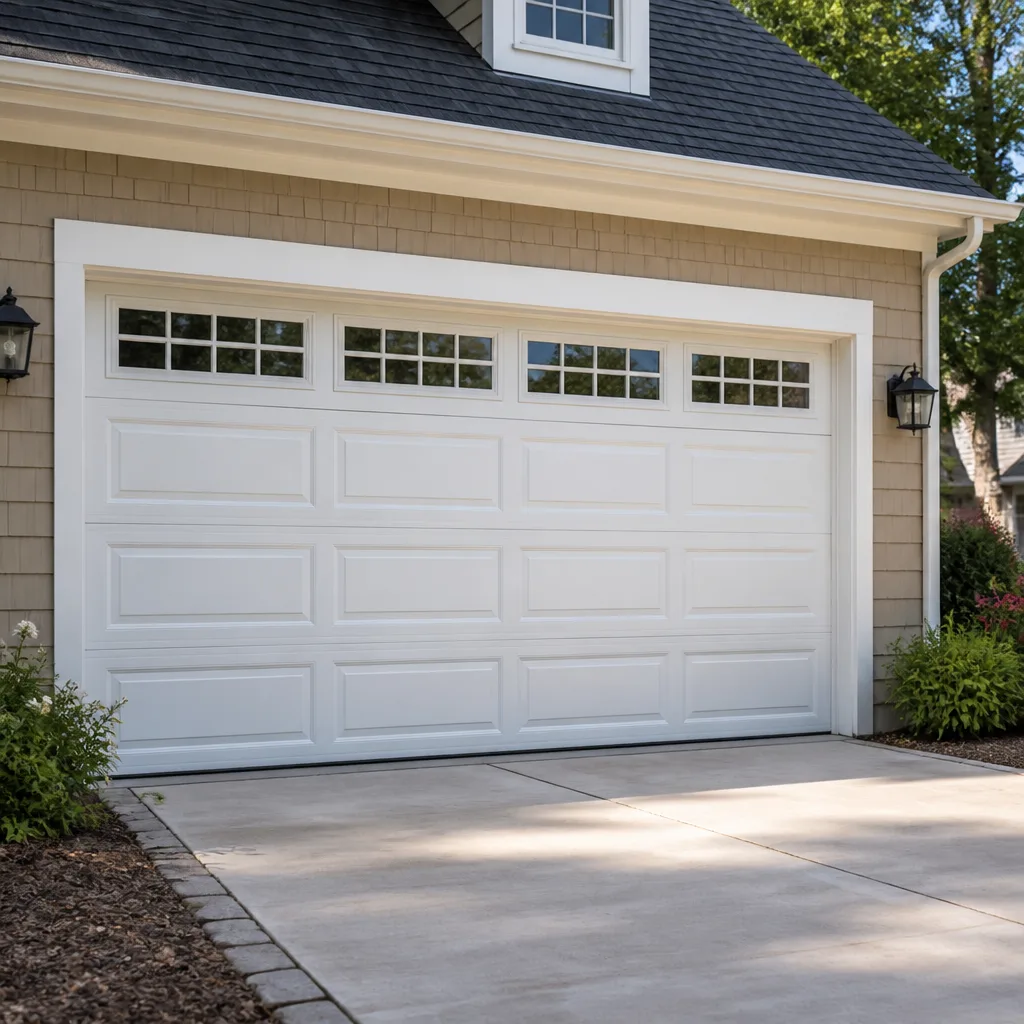

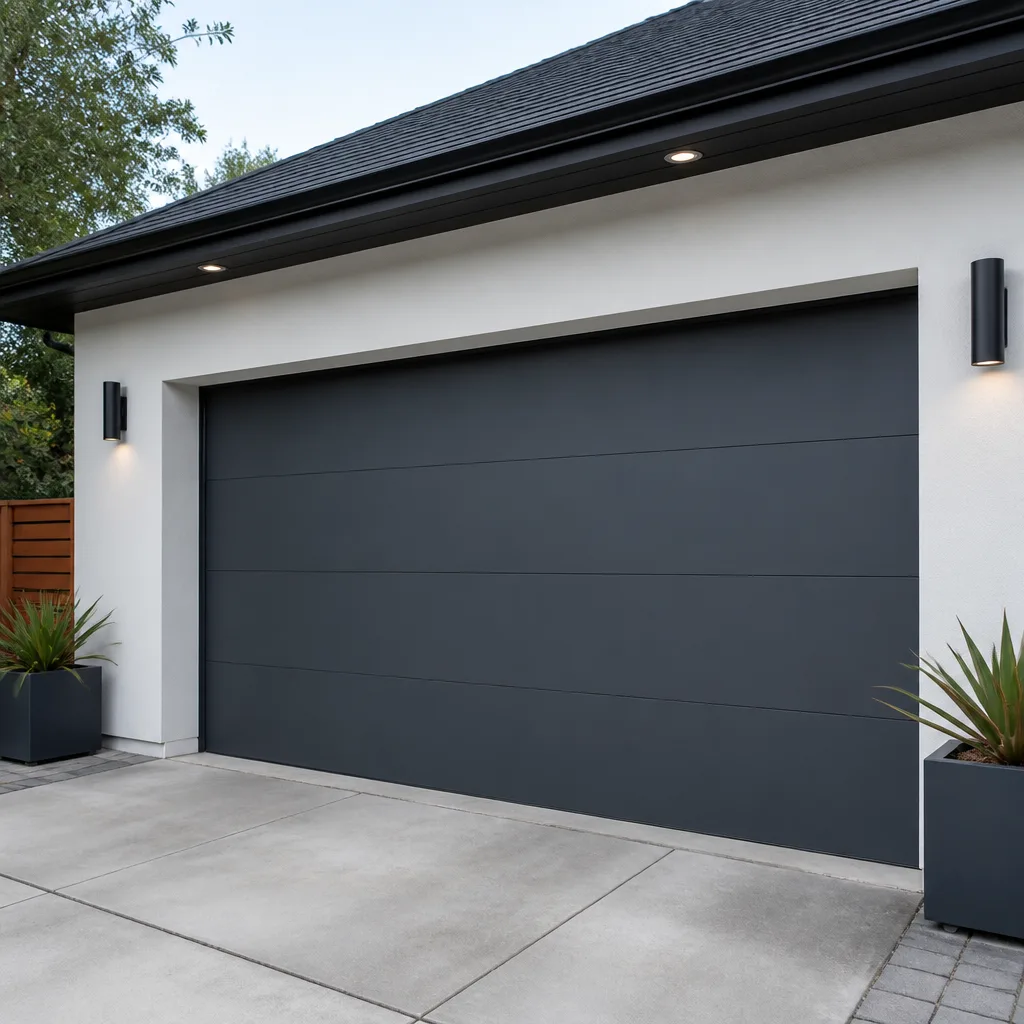
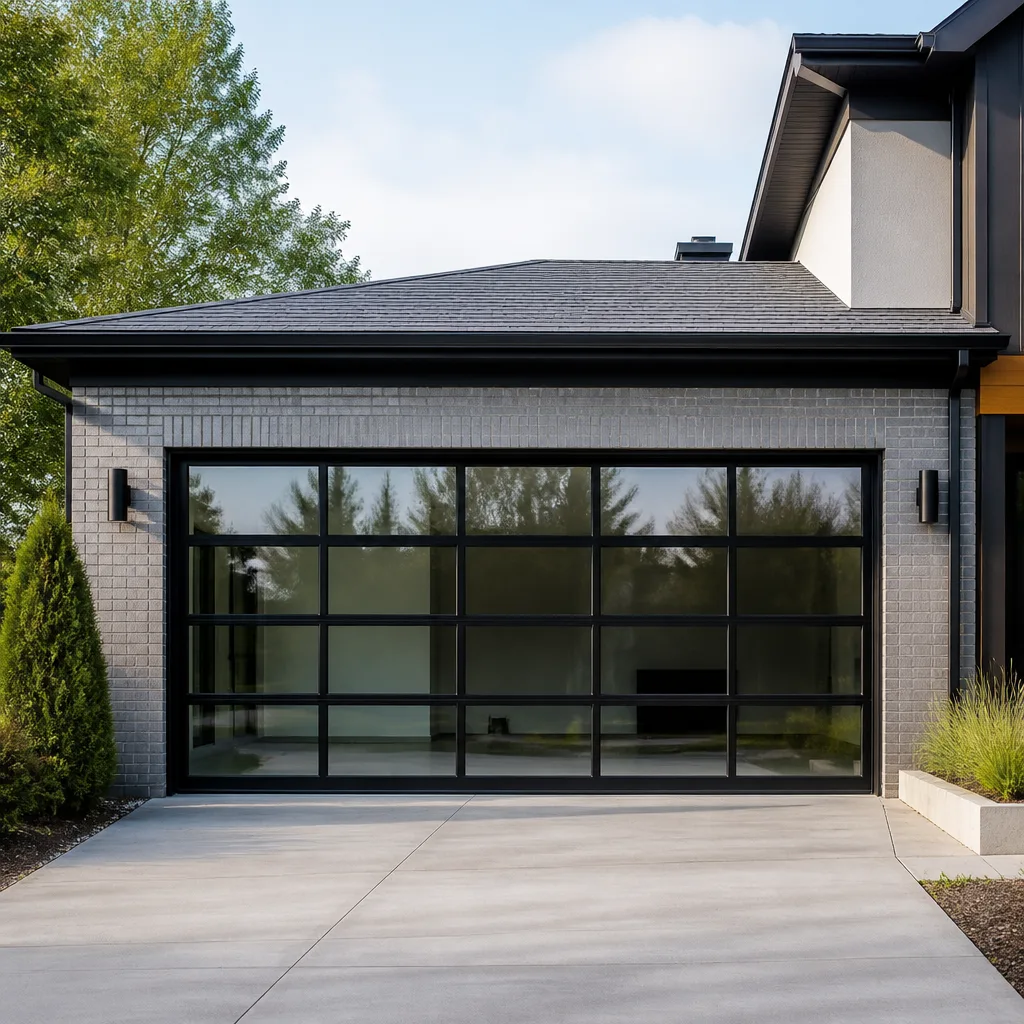
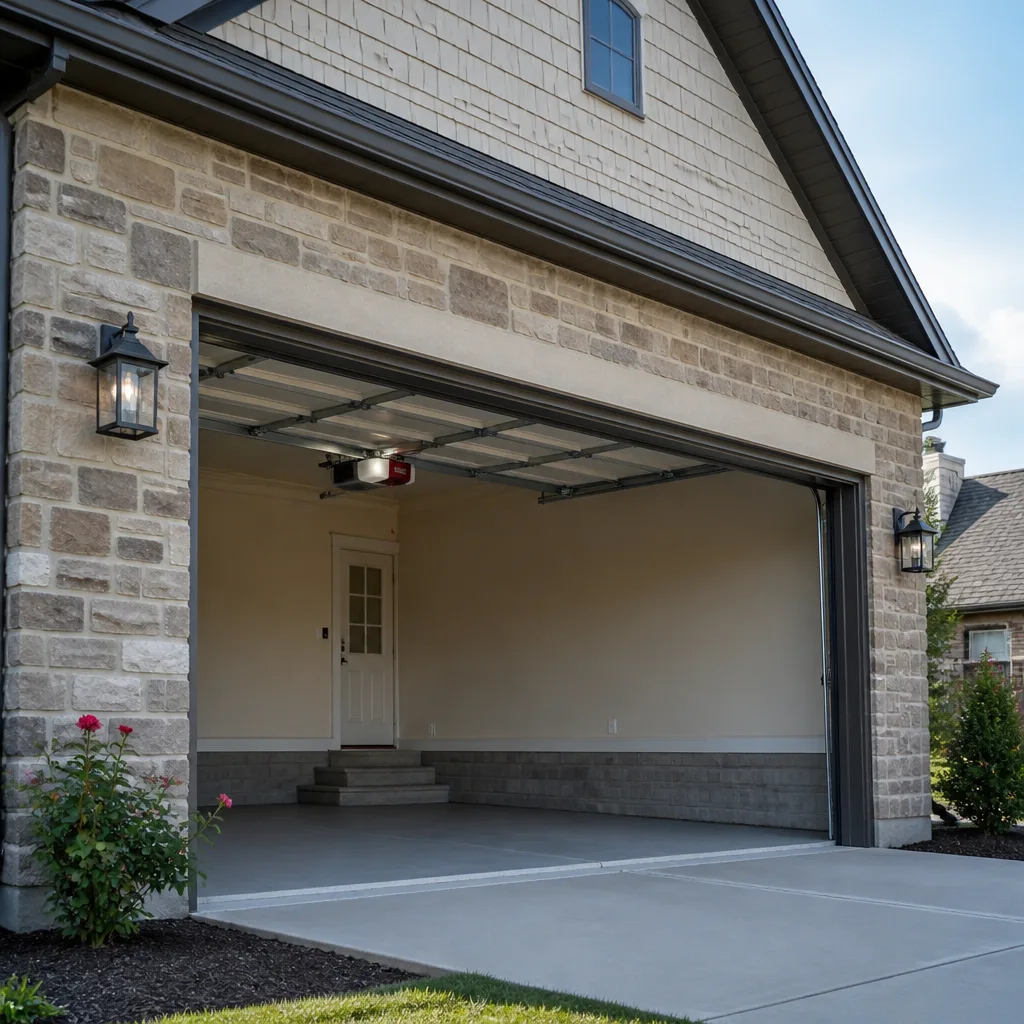
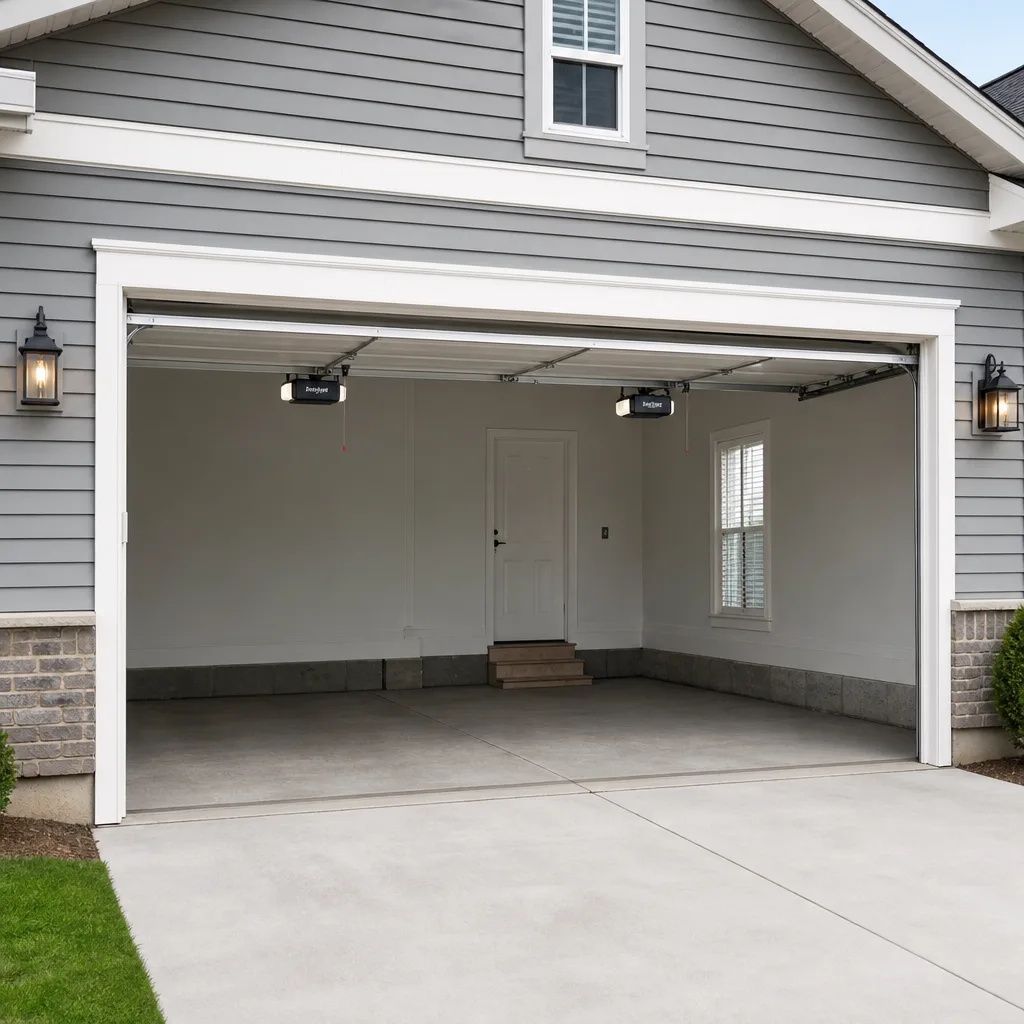
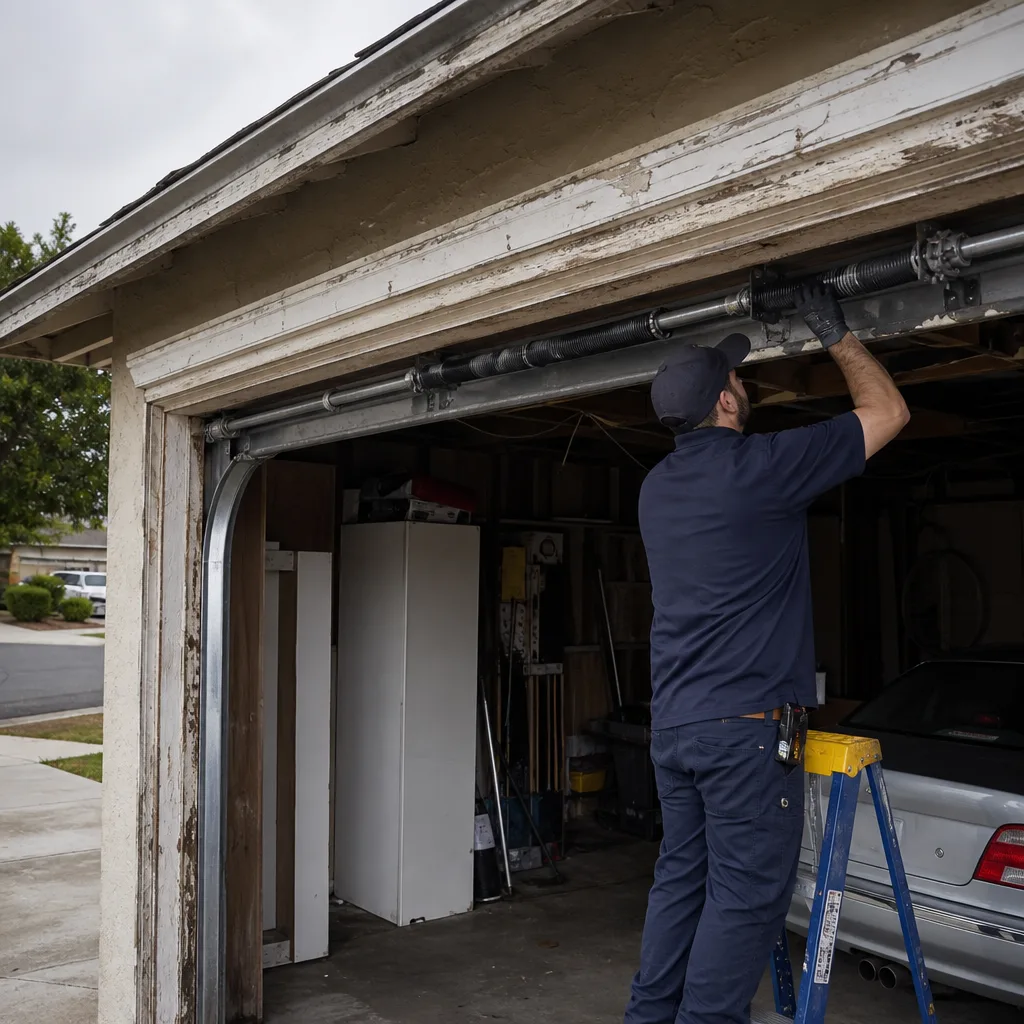 Before
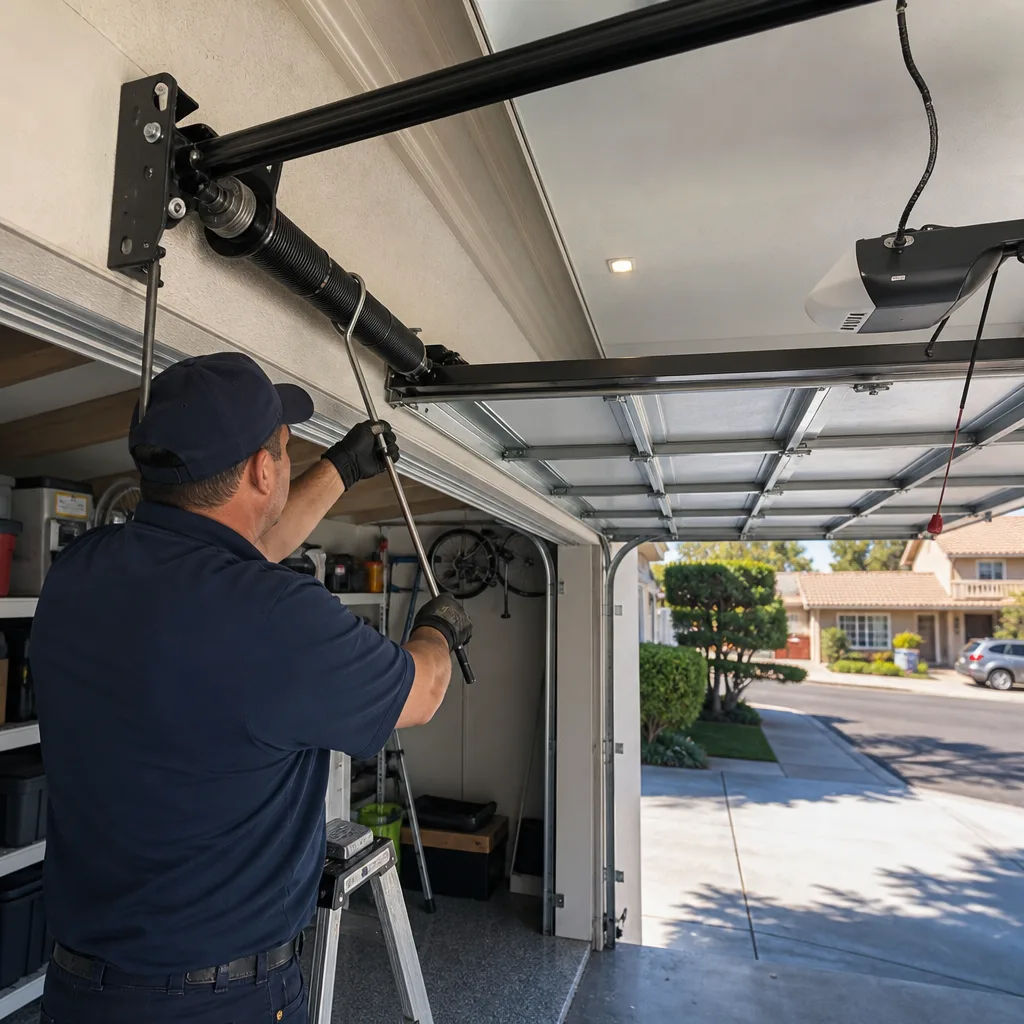 After
After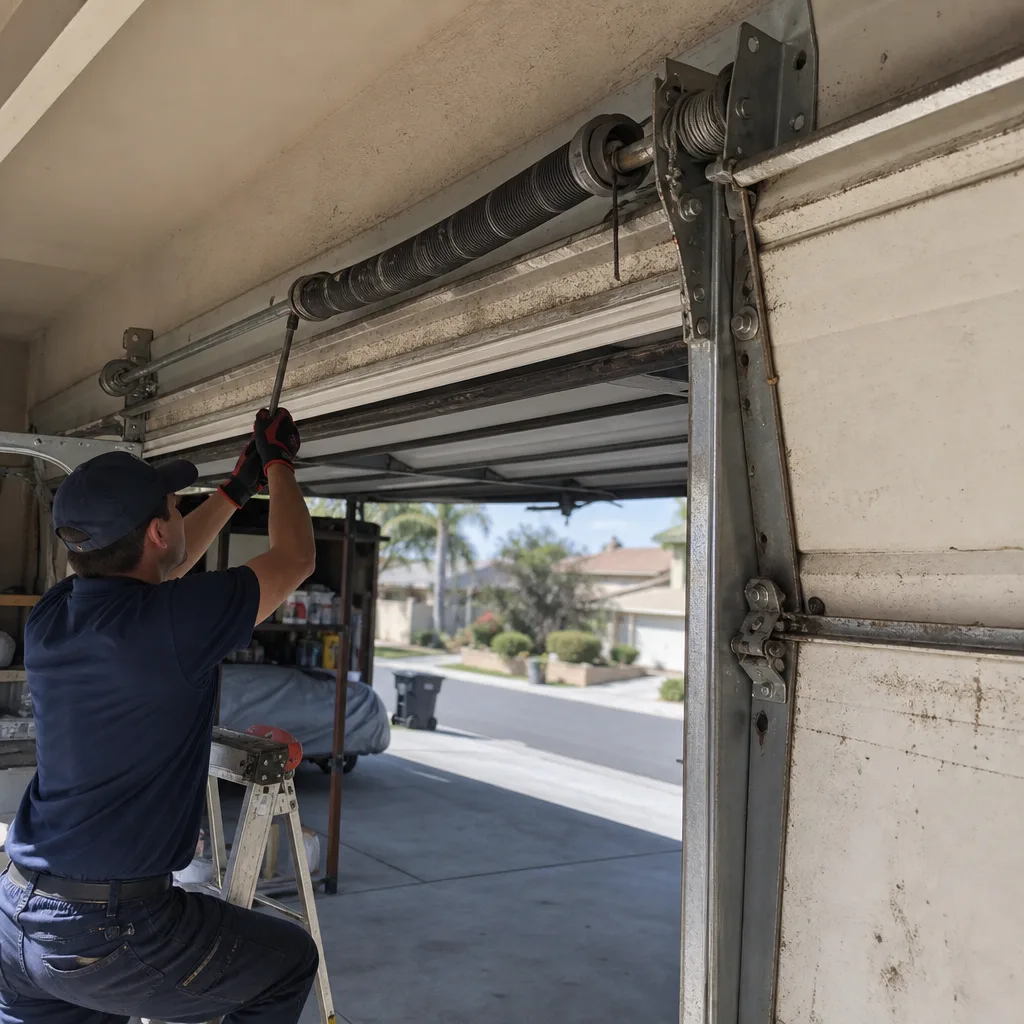 Before
 After
After Before
 After
AfterSeasonal Garage Door Care for Mission Viejo: Year-Round Homeowner’s Guide
Homeowners in the Midwest winterize their garage doors against ice. In Mission Viejo, the season that does the most damage is October, when Santa Ana winds drive dust into tracks and spike ambient temperatures past 100°F overnight. Most homeowners here follow a generic spring-summer-fall-winter maintenance checklist that ignores the real mechanical stress cycles of South Orange County. This guide maps every task to the four actual stress periods your garage door faces in Mission Viejo: Santa Ana wind season, June gloom humidity, peak UV summer, and the short winter contraction window. For a deeper dive, see The Complete Guide to Garage Door in Mission Viejo.
Quick Answer
Garage door maintenance in Mission Viejo should follow four local climate cycles rather than calendar quarters: pre-Santa Ana track cleaning in September, June gloom lubrication checks for moisture-affected hardware, summer UV inspection of south- and west-facing panels, and winter spring-tension verification when overnight lows drop below 50°F. A professional seasonal tune-up every six months catches what visual checks miss.
Table of Contents
- Why Mission Viejo’s Climate Is Different
- Pre-Santa Ana Season: September Preparation
- June Gloom: Moisture and Hardware
- Peak UV Summer: Panel and Seal Damage
- Winter Contraction: Spring and Seal Checks
- Your 12-Month Mission Viejo Maintenance Calendar
- What You Can Check vs. What We Handle
- Common Mistakes to Avoid
- When to Call a Professional
- Frequently Asked Questions
- The Bottom Line
Why Mission Viejo’s Climate Is Different
Mission Viejo sits at 400 feet elevation in a natural basin bordered by the Santa Ana Mountains to the east and coastal hills to the west. This geography creates four distinct mechanical stress periods that do not match the calendar quarters found on generic maintenance checklists.
The Santa Ana winds arrive through the mountain passes, carrying desert dust and sand that infiltrates track systems and abrades roller bearings. In our 42 years serving South Orange County, we’ve replaced more track assemblies in October and November than in all other months combined. The dust is fine enough to bypass standard seals and abrasive enough to score steel tracks within a single wind event.
The marine layer, commonly called June gloom, brings daily condensation that alters lubricant viscosity and promotes corrosion on hardware that appeared dry the day before. Unlike coastal cities like Laguna Beach, Mission Viejo sits far enough inland that the moisture burns off by mid-morning, creating a daily wet-dry cycle that accelerates wear.
Summer UV exposure in Mission Viejo exceeds coastal norms. South- and west-facing garage doors absorb direct afternoon sun from 2 PM until sunset, with surface temperatures reaching 140°F on dark-colored steel panels. This thermal cycling stresses panel joints, warps vinyl weather seals, and degrades rubber components faster than in shaded or north-facing installations.
The short winter window from December through February delivers the region’s only significant temperature swings. Overnight lows in the low 40s contract torsion springs, alter their calibrated tension, and stiffen bottom seals that were pliable in August. These are not freeze conditions, but they are enough to change how a 150-pound door balances and seals.
Neighborhoods matter too. Homes in the upper elevations of Mission Viejo near Oso Parkway catch more sustained wind. Properties in the lower areas near Lake Mission Viejo experience slightly higher humidity and slower morning burn-off. A maintenance plan should account for where your home sits in this local topography.
Pre-Santa Ana Season: September Preparation
September is the month to prepare for what comes next. The Santa Ana wind season typically begins in October and runs through December, with peak events in November. These are not gentle breezes. Sustained winds of 40 mph with gusts past 70 mph drive fine particulate through every gap in a garage door system.
Track Cleaning and Inspection
Start with the vertical tracks on both sides of the door. Wipe the interior surfaces with a clean cloth dampened with mild detergent solution. Do not use solvent-based cleaners; they strip residual lubricant and can damage nylon roller wheels. Inspect for these specific conditions:
- Vertical dents or bends where the door may have been bumped by a vehicle or equipment
- Accumulated grime at the curved transition from vertical to horizontal track
- Loosened track mounting brackets, especially the top fixture where wind vibration concentrates stress
- Missing or damaged track bolts that allow rail movement during wind events
In Mission Viejo’s wind-prone neighborhoods like those near Alicia Parkway’s eastern ridge, we see track bolts loosen from thermal expansion cycles followed by wind vibration. A bolt that was tight in June may be finger-loose by October.
Roller Inspection
Rollers are the first casualty of dusty conditions. Nylon rollers accumulate grit that scores their bearing surfaces. Steel rollers rust when June gloom moisture meets Santa Ana dust. Check each roller for:
- Cracks or chips in nylon wheels, especially at the bearing hub
- Wobble or play when the door is manually lifted halfway
- Grinding noise during operation that indicates bearing failure
- Bent or loose roller stems in the door hinges
Standard 2-inch nylon rollers typically last 5-7 years in Mission Viejo conditions. If your rollers are original to a 1990s installation, they are overdue. We carry replacement rollers for all major brands including Clopay and Wayne Dalton on our trucks, so most replacements finish in a single visit.
Bottom Seal Check
The bottom seal is your door’s primary defense against dust, rodents, and water intrusion. Inspect the rubber or vinyl strip across the full width. Look for compression set (the seal no longer springs back to shape), cracking at fold points, and gaps where the seal has pulled from the retainer channel.
Mission Viejo’s combination of summer UV and winter contraction is particularly hard on PVC-based seals. If the seal feels stiff or shows permanent flattening where it meets the concrete, replace it before October. A compromised seal during Santa Ana season means dust accumulation in the garage and accelerated track contamination.
Hinge and Hardware Tightening
Wind vibration loosens hardware over time. With the door closed, check all hinge bolts, top fixture brackets, and opener mounting hardware with a socket wrench. Do not overtighten; hinge bolts strip easily in stamped steel door sections. Snug is sufficient.
Safety note: Do not attempt to adjust, repair, or remove the torsion spring system, the cables, or the bottom brackets. These components are under extreme tension and can cause serious injury or death if handled improperly. Spring tension verification is a trained technician task.
June Gloom: Moisture and Hardware
The marine layer reaches Mission Viejo most mornings from mid-May through early July. Unlike persistent coastal fog, this moisture burns off by 10 or 11 AM, creating a daily condensation cycle that affects hardware in specific ways.
Lubrication Viscosity Changes
Standard garage door lubricants are formulated for moderate temperature ranges. When daily condensation coats hardware, water displaces light oils and thins heavier greases. The result is metal-on-metal contact that accelerates wear.
In our experience, the pivot points on Clopay and Amarr hinge designs are particularly susceptible. The pin-in-barrel construction traps moisture and corrodes from the inside out. By July, a hinge that operated silently in April may squeak or bind.
Apply a silicone-based lubricant to these points in late May, before the gloom period intensifies:
- Hinge pivot points (not the bolts, the internal pin)
- Roller wheel bearings, if accessible without disassembly
- Lock mechanism internal parts, if equipped
- Opener chain or screw drive, per manufacturer specification
Avoid WD-40 or general-purpose penetrating oils. They evaporate and leave a gummy residue that attracts dust. Use a product formulated specifically for garage door hardware, applied sparingly. Excess lubricant drips onto the door surface and collects airborne grit.
Spring and Cable Corrosion Check
Torsion springs and lift cables live in a humid environment during June gloom, even in a seemingly dry garage. Surface rust on cables is visible evidence of moisture damage. More concerning is internal corrosion in the spring wire, which weakens the metal and alters the spring’s torque output.
Look for these indicators:
- Orange surface rust on cable wires, especially near the bottom bracket attachment
- Fraying or broken strands in the cable weave
- Visible rust scaling on the torsion spring coils
- A door that feels heavier to lift manually than it did in prior months
Any cable fraying or spring rust warrants professional inspection. These are not cosmetic issues. A failed cable or broken spring drops a garage door with lethal force.
Opener Electronics and Sensors
Moisture affects opener safety sensors and wall console electronics. If your opener intermittently reverses or the remote range decreases during June gloom, condensation on the photo-eye lenses or circuit board may be the cause.
Clean the photo-eye lenses with a dry cloth. Check that the LED indicators on both sensors show steady illumination when the door is closed and nothing blocks the beam. In Mission Viejo’s older neighborhoods like those near Marguerite Parkway, we’ve seen sensor brackets loosen from years of vibration, causing misalignment that moisture exacerbates.
Peak UV Summer: Panel and Seal Damage
July through September delivers the highest UV load and thermal stress. Mission Viejo’s inland position means less marine layer intervention and more direct sun exposure than coastal cities.
South- and West-Facing Panel Inspection
Garage door panels on south and west exposures absorb maximum solar radiation. Surface temperatures on dark-colored steel doors routinely exceed 140°F. This thermal cycling stresses:
- Factory-applied paint and coating systems, leading to chalking and fading
- Panel joint seals and thermal breaks in insulated doors
- Window insert gaskets on doors with decorative glass
- Adhesive bonds in composite overlay designs
Inspect panel surfaces during late afternoon, when defects are most visible in raking light. Look for paint chalking (a powdery residue when rubbed), panel face distortion or oil-canning, and separation at factory seams. On insulated steel doors, feel for delamination where the steel skin separates from the polyurethane core.
Homes in the upper elevations of Mission Viejo, particularly above Oso Parkway, experience more intense UV due to thinner atmospheric filtering. We’ve replaced panels on 10-year-old doors in these areas that showed degradation matching 20-year-old installations at lower elevations.
Weather Seal Degradation
Rubber and vinyl weather seals degrade through a combination of UV exposure, ozone attack, and thermal cycling. The bottom seal, side seals, and top seal each fail in characteristic ways:
| Seal Location | Failure Mode | Mission Viejo Factor |
|---|---|---|
| Bottom seal | Compression set, cracking | Thermal cycling + rodent contact |
| Side seals (door jamb) | Shrinkage, pull-away from frame | UV exposure on west-facing doors |
| Top seal (header) | Hardening, gap formation | Santa Ana wind flexing |
Replace seals that show permanent deformation or cracking. A proper seal reduces thermal transfer into the garage and keeps conditioned air from escaping. For homeowners with attached garages, this directly affects cooling costs.
Opener Thermal Protection
Garage door openers mounted on ceilings without ventilation can overheat during peak summer. The motor and control board have thermal cutouts that shut down the opener when internal temperatures exceed safe limits. If your opener stops responding on hot afternoons and resumes in evening, thermal protection is likely activating.
Ensure the opener motor housing has clearance for air circulation. Remove stored items that block ventilation. If the opener is mounted in a garage that exceeds 100°F regularly, consider a model with higher thermal tolerance. We install LiftMaster and Genie openers with proven performance in Mission Viejo conditions.
Winter Contraction: Spring and Seal Checks
December through February brings Mission Viejo’s coolest temperatures. Overnight lows in the low 40s and occasional dips into the upper 30s are enough to change how garage door systems perform.
Spring Tension Verification
Torsion springs are calibrated to a specific torque at a specific temperature range. When metal cools, it contracts slightly and the spring’s effective tension increases. A door that was properly balanced at 75°F may feel heavier or exhibit uneven movement at 45°F.
The symptoms are specific:
- Door opens slowly or stalls at the transition from vertical to horizontal
- Opener strains or the motor hums without lifting
- Door drifts downward when stopped halfway open
- Uneven gap at the bottom when closed, indicating one spring weaker than the other
Safety note: Spring tension adjustment requires specialized tools and training. The energy stored in a torsion spring can cause severe injury. This is not a homeowner task.
We verify spring tension with a calibrated winding bar and measure door balance at multiple heights. In Mission Viejo’s winter months, we often find springs that were adequate in September now operating outside safe parameters. The adjustment takes 30 minutes and prevents opener strain that leads to premature motor failure. Browse our more guides & resources for year-round maintenance tips.
Seal Hardening and Gap Formation
Cold rubber becomes stiff and loses conformability. The bottom seal that sealed tightly against slightly uneven concrete in August may leak air and light in January. Check the seal after an overnight low below 45°F by closing the door in darkness and looking for light penetration from outside.
Side and top seals also contract in cold conditions. Vinyl seal extrusions shrink lengthwise, pulling away from mitered corners. This is particularly noticeable on older installations where the seal has taken a compression set from summer heat.
Track and Roller Cold Behavior
Lubricants thicken in cold temperatures. A door that ran quietly in October may groan or bind in January. This is often lubricant viscosity increase rather than mechanical damage. However, do not compensate by applying more lubricant; the existing material is sufficient once temperatures rise.
If cold-weather noise persists above 55°F, inspect for roller wear or track damage that the thicker lubricant was masking. We see this pattern frequently in Mission Viejo’s older neighborhoods where original rollers have survived multiple summers but fail when winter conditions change the operating dynamics.
Your 12-Month Mission Viejo Maintenance Calendar
This calendar maps tasks to the actual climate cycles of Mission Viejo, not generic quarters.
January: Post-Holiday System Check
- Operate door manually to assess balance and weight
- Inspect cables for rust or fraying after winter moisture exposure
- Check opener force settings; cold weather may require adjustment
- Verify remote and keypad battery status after heavy holiday use
February: Seal and Insulation Review
- Test bottom seal conformability after coldest nights
- Inspect side and top seals for shrinkage gaps
- Check weatherstripping around door frame for air leaks
- Schedule professional spring tension verification if door feels heavy
March: Transition Preparation
- Clean tracks of accumulated winter debris
- Lubricate hinge points ahead of increased spring operation
- Inspect panel surfaces for UV damage from prior summer
- Test safety reverse system with 2×4 board per manufacturer protocol
April: Pre-Gloom Hardware Service
- Apply moisture-resistant lubricant to all pivot points
- Inspect roller bearings for wear before humidity increases
- Check opener electronics for dust accumulation from Santa Ana season
- Verify photo-eye alignment and clean lenses
May: Marine Layer Readiness
- Monitor door operation on humid mornings for binding or noise
- Inspect spring and cable corrosion after first sustained gloom period
- Test battery backup on opener if equipped
- Schedule professional tune-up if any anomalies detected
June: Mid-Gloom Assessment
- Re-lubricate if early applications have washed out
- Check for rust formation on hardware
- Inspect door bottom for moisture staining indicating seal failure
- Verify drainage around garage threshold
July: Peak UV Protection
- Inspect south- and west-facing panels for thermal damage
- Check window insert seals for UV degradation
- Verify opener thermal performance on hottest afternoons
- Clean exterior surfaces to remove dust that amplifies heat absorption
August: Late Summer Stress Check
- Assess paint and coating condition before peak intensity ends
- Inspect weather seals for hardening or cracking
- Test manual release mechanism on opener
- Plan replacement of components showing advanced wear
September: Pre-Santa Ana Preparation (Critical)
- Deep-clean tracks and remove all accumulated debris
- Replace worn rollers before wind season stress
- Install new bottom seal if existing shows any compromise
- Tighten all hardware to wind-resistant torque specifications
- Schedule professional inspection for systems over 10 years old
October: Santa Ana Monitoring
- Inspect tracks after first significant wind event
- Check for new noise or binding indicating dust infiltration
- Verify door seals against dust penetration
- Clear garage perimeter of loose items that could impact door
November: Peak Wind Response
- Re-inspect hardware tightness after sustained wind period
- Clean photo-eye lenses of dust coating
- Check opener rail for debris accumulation
- Address any operational changes promptly before holiday travel
December: Winter Transition
- Verify door balance as temperatures drop
- Inspect seals for cold-weather hardening
- Test opener performance on cold mornings
- Schedule year-end professional assessment if not done in September
What You Can Check vs. What We Handle
Homeowners can safely perform visual inspections, cleaning, and basic lubrication. These tasks require no special tools and carry no injury risk.
Homeowner-appropriate tasks:
- Visual track inspection and cleaning
- Photo-eye lens cleaning and alignment verification
- Remote battery replacement
- Weather seal condition assessment
- Manual door balance test (disconnect opener, lift door to waist height, verify it stays)
Professional-only tasks:
- Spring tension measurement and adjustment
- Cable inspection, repair, or replacement
- Bottom bracket and roller stem service on loaded doors
- Opener force and limit setting calibration
- Panel replacement and section alignment
- Wind load reinforcement for Santa Ana compliance
The boundary is simple: if releasing a component could allow the door to drop or a spring to unwind, it requires training and proper tools. We’ve responded to emergency calls in Mission Viejo where a well-intentioned homeowner attempt at roller replacement resulted in a door off-track and damaged vehicle. The flat price for professional service is always less than the cost of that outcome.
Common Mistakes to Avoid
- Using generic quarterly checklists. A “winterize” checklist designed for Minnesota is irrelevant in Mission Viejo. The tasks that matter here are track cleaning before Santa Ana season and UV seal inspection in July, not weatherstripping against freezing.
- Applying automotive grease to garage door hardware. Chassis grease attracts dust and hardens in our dry climate. It turns tracks into grinding surfaces within months. Use silicone-based garage door lubricant only.
- Ignoring the manual balance test. Many homeowners never disconnect the opener to feel the door’s actual weight. An opener can mask a failing spring for months, then burn out the motor when the spring finally breaks. Test manually twice yearly.
- Replacing only one spring on a two-spring system. Springs installed together have matched fatigue cycles. A new spring paired with an old spring creates uneven lift that damages cables, rollers, and the opener. We replace torsion springs in matched pairs.
- Neglecting the bottom seal until water enters. By the time water intrusion is visible, the seal has been compromised for months and track contamination is already advanced. Inspect seals seasonally, not reactively.
- DIY spring adjustment from online videos. The videos rarely show the injuries that occur. Torsion springs store enough energy to break bones and cause fatal trauma. This is not a confidence or competence issue; it is a physics issue that proper tools and training mitigate.
- Assuming silence means health. A door that operates quietly may have a dangerously unbalanced spring or frayed cable that has not yet failed. Noise is one indicator, but absence of noise is not proof of safety. Visual inspection and professional assessment catch what ears miss.
When to Call a Professional
Call for service when you observe any of these conditions: the door hangs crooked when opening or closing, cables show fraying or rust, springs make noise or visible gaps appear between coils, the opener strains or reverses unexpectedly, or the door fails the manual balance test. These are not maintenance items; they are safety concerns.
We also recommend professional inspection for any system over 15 years old, even without symptoms. Component fatigue accumulates invisibly. A trained technician identifies wear patterns that precede failure.
Mainspring Garage Door Co. offers free estimates in Mission Viejo. Our technicians arrive with springs, cables, rollers, and openers for all major brands already on the truck. Most repairs complete in a single visit. The flat price is stated before any work begins. Call (562) 262-6410.
Frequently Asked Questions
Every 12 months minimum, and every 6 months for doors over 10 years old or in wind-exposed locations. Our $89 Seasonal Tune-Up covers spring tension verification, hardware inspection, safety system testing, and lubrication. The 90-Day Done Right Promise applies to all service work.
Yes. Mission Viejo’s inland elevation and Santa Ana wind exposure create more dust infiltration and wider temperature swings than coastal cities. A door in Laguna Beach faces salt air corrosion; a door in Mission Viejo faces abrasive dust and thermal cycling. The maintenance priorities differ accordingly.
Homeowners can safely lubricate hinge pivot points and roller bearings with a silicone-based garage door lubricant. Avoid WD-40, automotive grease, or penetrating oils. Apply sparingly; excess lubricant attracts dust. Do not lubricate the track itself; the rollers need clean, dry rail surfaces to roll properly.
Cold temperatures thicken lubricants and contract metal components. Hinges and rollers that ran quietly in summer may bind slightly in winter. If noise persists after temperatures rise above 55°F, inspect for wear that the thicker lubricant was masking. Persistent noise warrants professional assessment.
Our Seasonal Tune-Up is $89 and includes full system inspection, spring tension verification, safety reverse testing, hardware tightening, and proper lubrication. The price is quoted and agreed before work starts. Seniors and veterans receive a permanent 5% discount. Call (562) 262-6410 to schedule.
If the door is structurally sound, pre-season maintenance and seal replacement may suffice. If panels are delaminating, springs are fatigued, or the system is over 20 years old, replacement before peak stress season prevents mid-winter failure. We offer free measurement and written estimates for garage door installation in Mission Viejo, with no pressure to decide immediately.
First, check that the opener is receiving power and the photo-eye LEDs are steady. Wind-blown debris may block the sensor beam. If the door is off-track or a spring has broken, do not force it. Disconnect the opener and call for emergency service. We answer live 24/7, including holidays, and stock the parts to repair most failures in one visit.
The Bottom Line
Mission Viejo’s garage doors face four real stress periods: Santa Ana winds, June gloom moisture, summer UV, and winter contraction. A generic maintenance schedule misses the timing that actually matters here. Clean tracks in September, check lubrication in May, inspect seals in July, and verify spring tension in January. The rest is observation and prompt response to changes.
We’ve served South Orange County for over 42 years, and we’ve learned that the doors that last are the ones maintained to local conditions, not calendar conventions. A little attention at the right moments prevents the emergency calls that come at the wrong ones.
If your door is due for inspection or showing signs of wear, call Mainspring Garage Door Co. at (562) 262-6410. A live person answers, day or night. We’ll state the flat price before any work begins, and we stand behind every job with our 90-Day Done Right Promise in writing.
Written by Carl Dutton, Owner at Mainspring Garage Door Co., serving Mission Viejo since 2016.